

Summer 2026 repriced commercial energy costs without a single decision from your company. PJM capacity prices set a record for the second consecutive year, PECO raised commercial generation charges 15% on June 1, and July heat broke a 20-year grid demand record. Those changes are already in the bills you're accruing this quarter, and they carry into 2027.
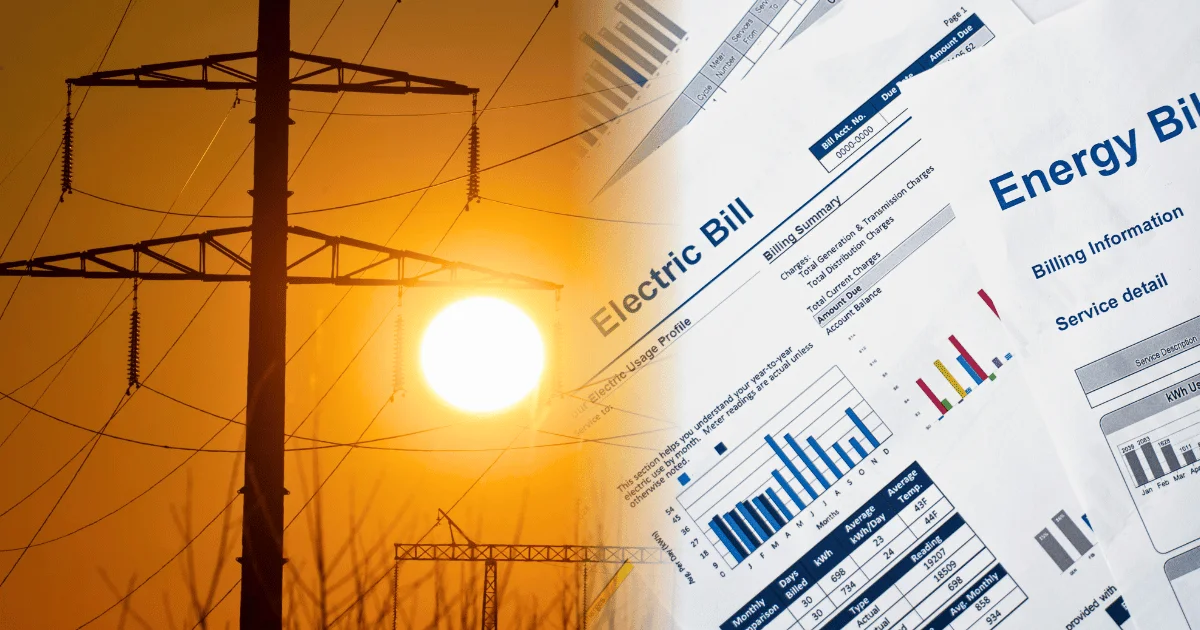
Your commercial energy costs were repriced this summer, and no one on your team was in the room when it happened. The grid emergency made headlines: record July heat, PJM demand breaking a peak that had stood for 20 years, federal orders pushing data centers onto backup power, and 17 more states under a similar order weeks later. What the headlines missed is how all of it lands on your P&L.
This post walks through what changed, why the increases will not roll back as temperatures drop, and what the best-prepared operators are doing about it before their September bills arrive.
Three separate events stacked on top of each other between June and August, and each one pushes in the same direction: up.
None of these events required a decision from anyone at your company. The largest change in your energy costs this year came from a tariff.
A hot summer feels temporary. This one is not, because the price increases are built into the market's forward structure rather than the weather.
PJM capacity prices set a record for the second consecutive year. Capacity charges are not a spot price that falls when demand cools; they are commitments that carry forward. Combined with PECO's June 1 generation increase, the higher cost basis is already reflected in the bills you are accruing this quarter, and it carries into 2027 and beyond.
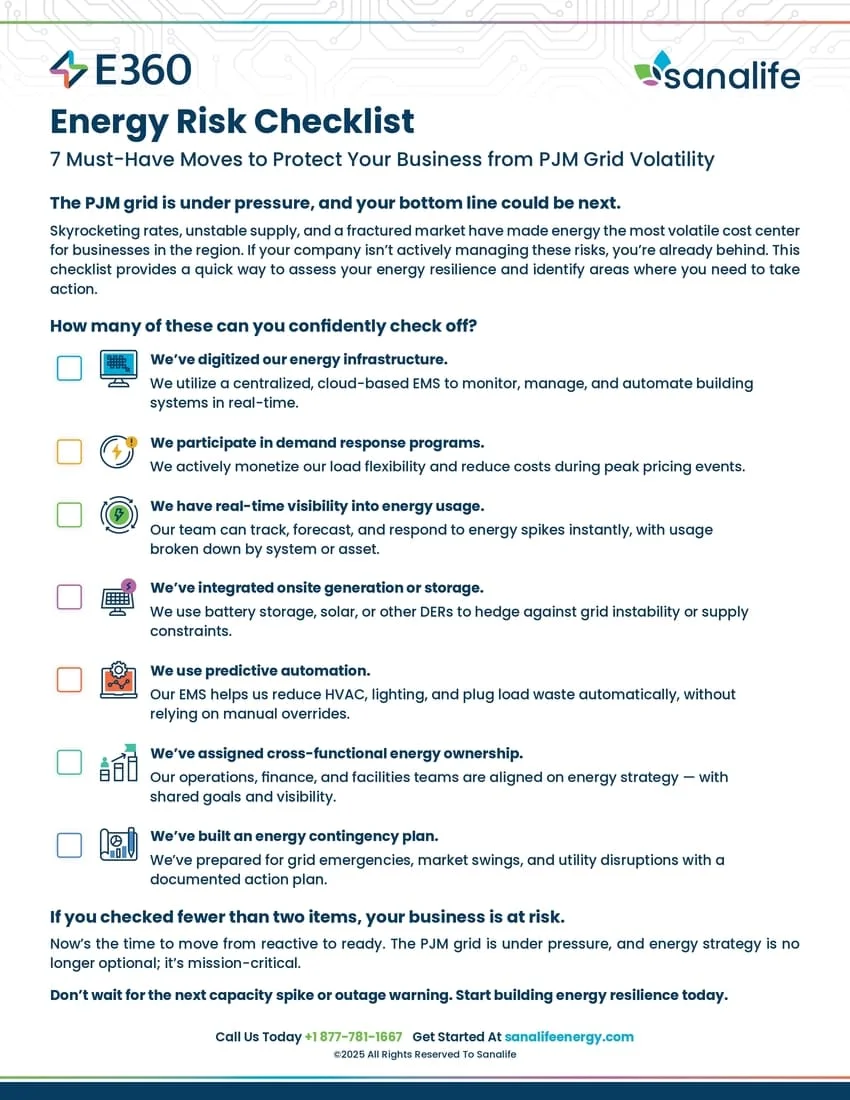
That distinction matters for planning. If you budget for this as a one-time weather event, you will be explaining the same variance again next year. If you treat it as a new baseline, you can start managing the parts of the bill you control.
Q3 is the most expensive quarter on the energy calendar, and it follows the same script every year. Summer ends. September and October arrive. The quarter's costs are tallied, and the question lands on a desk: what did we just spend, and why didn't we see it coming?
This year, that number will be higher than last year's, with some territories up by double digits, even before a single operational decision is counted. The gap between companies that handle that conversation well and those that don't comes down to one thing: the prepared ones knew their exposure before the bill did.

Across facilities teams that come out of Q3 without surprises, three habits show up consistently.
They know what normal looks like for every building: what it should draw by hour, by season, by weather. When a number moves off that baseline, it stands out immediately, and the cause is findable: weather, rates, or a failing unit. September becomes a comparison against a reference, not a mystery.
Peak demand is based on your single highest usage. One July afternoon, when the chillers and rooftop units run simultaneously, can set the peak for the entire billing period, resulting in high demand charges. Operators who anticipate it stagger loads to avoid it.
Heat waves are forecastable. Demand spikes should be too. E360's AI forecasting platform learns each building's baseline, then reads utility interval data and weather signals to project demand peaks days in advance. The next heat wave lands on your planning calendar, not your bill.
Review a recent bill and give it twenty minutes before the quarter closes. Three questions are worth addressing while there is still time to act on them:
None of this requires new software or an outside consultant. Rate filings are public, and your peak interval is listed on your bill. The goal is to enter the September review with the answer, not the question.
If you need help understanding your utility bill, reach out to our team. We'll walk you through what each charge is, which charges changed this summer, and which charges you can do something about. You'll leave with a clearer understanding of your costs and possible solutions moving forward.
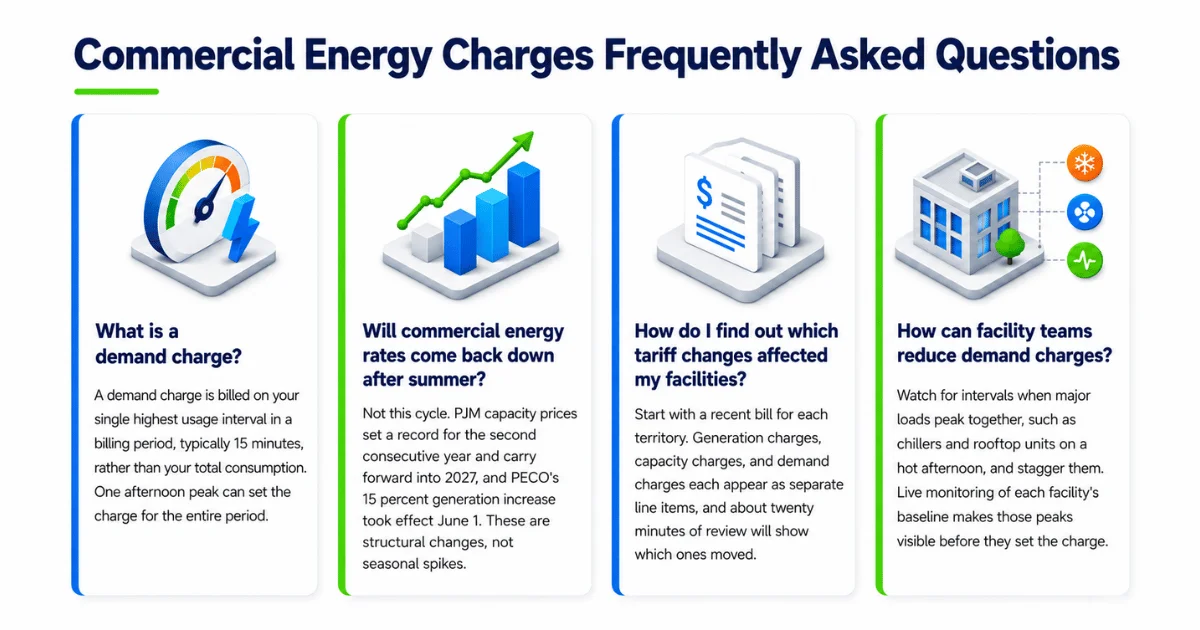
A demand charge is billed on your single highest usage interval in a billing period, typically 15 minutes, rather than your total consumption. One afternoon peak can set the charge for the entire period.
Not this cycle. PJM capacity prices set a record for the second consecutive year and carry forward into 2027, and PECO's 15 percent generation increase took effect June 1. These are structural changes, not seasonal spikes.
Start with a recent bill for each territory. Generation charges, capacity charges, and demand charges each appear as separate line items, and about twenty minutes of review will show which ones moved.
Watch for intervals when major loads peak together, such as chillers and rooftop units on a hot afternoon, and stagger them. Live monitoring of each facility's baseline makes those peaks visible before they set the charge.
Summer 2026 changed the cost basis for commercial energy, and it did so without your input. The repricing is structural: record capacity prices, a 15 percent generation increase, and a grid that broke a 20-year demand record. None of it required your decision, and none of it is going away. What stays in your control is the short list that separates prepared operators from surprised ones: know your baseline, know your worst 15 minutes, plan for the next event instead of the last one. The September conversation is coming either way. Walk into it holding the answer.
Subscribe to Sanalife Energy's newsletter for top industry insights, trends, and news.


We deliver innovative energy management, demand response, and building automation solutions to enterprise, manufacturing, industrial, healthcare, hospitality, K-12, and higher education sectors across the United States and globally.
©2026 InTech Energy, Inc. DBA Sanalife. All rights reserved. Various trademarks held by their respective owners.