


Hawaii's Senate Bill 632 directs the state to adopt Green Building Standards covering energy efficiency, electrification, renewables, and resilience for new construction and major renovations. This guide explains how the standards support Hawaii's 100 percent renewable energy goal by 2045.
Hawaii has established itself as the nation's most ambitious state for clean energy and climate goals. As the first state to legally mandate 100% renewable energy and carbon neutrality by 2045, Hawaii is now extending its sustainability leadership to the building sector through statewide Green Building Standards.
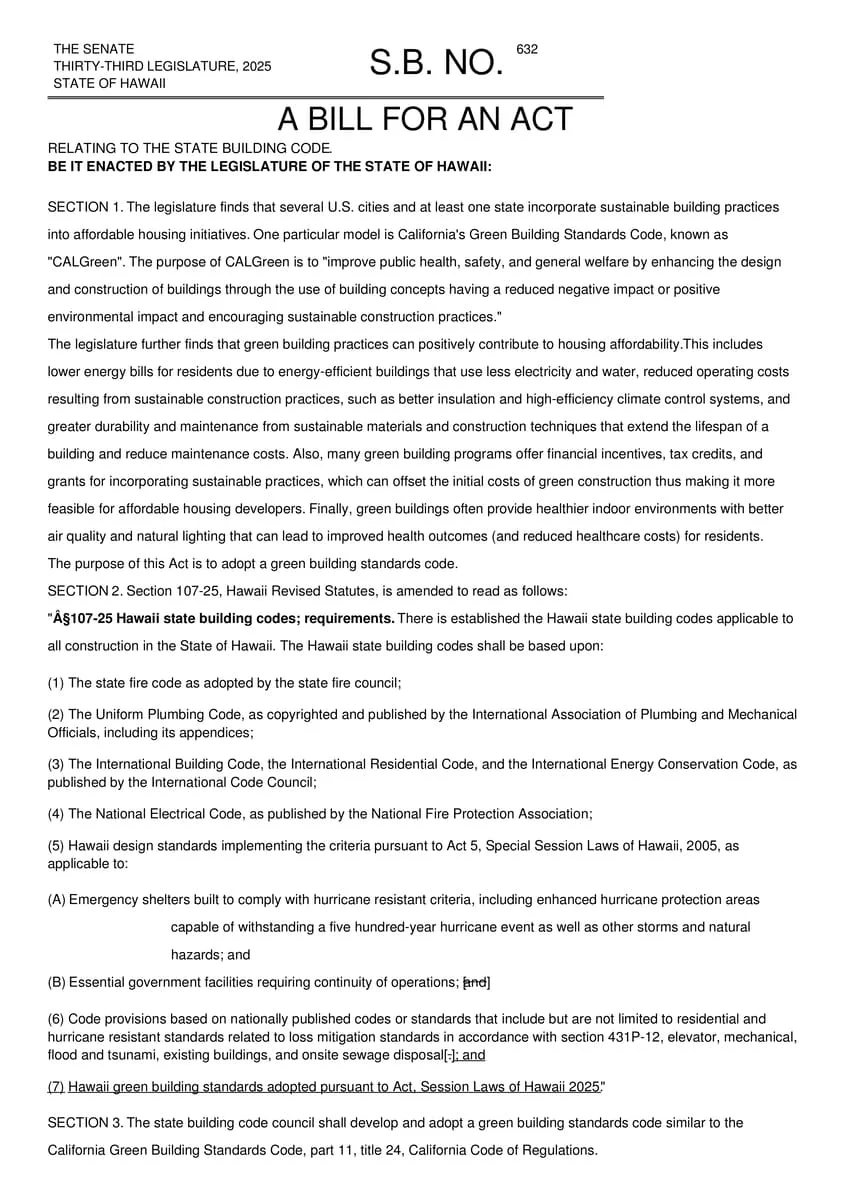
Senate Bill 632 (SB 632) directs the State Building Code Council to develop and adopt a Hawaii Green Building Standards Code, marking a significant step toward ensuring that all new construction and major renovations meet enhanced energy-efficiency, durability, and environmental performance requirements.
For businesses planning construction or renovation projects in Hawaii, understanding these emerging standards is essential for project planning, cost management, and regulatory compliance.
SB 632, introduced in the 2025 legislative session, mandates the development and adoption of a Hawaii Green Building Standards Code by the State Building Code Council. The legislation recognizes that buildings play a critical role in Hawaii's energy consumption and greenhouse gas emissions profile.
The State Building Code Council must report progress to the legislature before the 2026 session, signaling that formal adoption of standards is on the horizon.
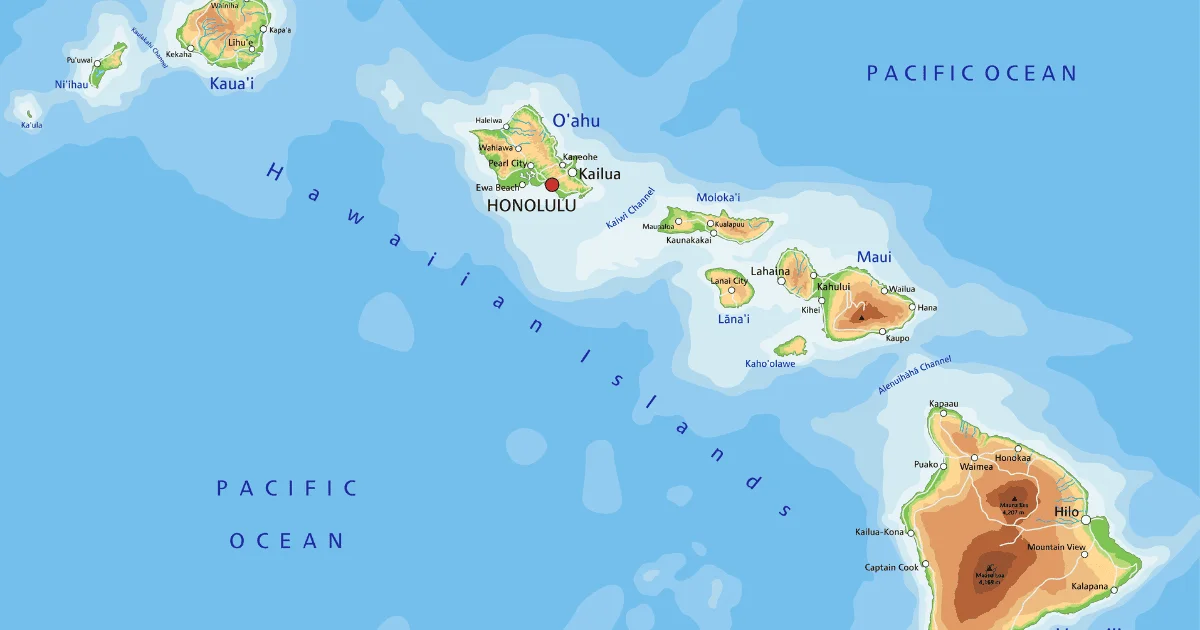
Understanding Hawaii's broader energy landscape is essential for grasping why statewide building standards are emerging:
Hawaii was the first state to legally require 100% of electricity to come from renewable sources by 2045. Intermediate targets include 30% by 2020 (achieved), 40% by 2030, and 70% by 2040.
Act 15 established Hawaii as the first state with a legally binding economy-wide net-zero greenhouse gas emissions target by 2045. This requires addressing emissions across all sectors, including buildings.
Governor Green's executive order accelerates the transition, targeting 100% renewable electricity in Hawaii, Kauai, and Maui counties by 2035, and 70% GHG reduction in Oahu's electricity sector by 2035.
The building sector accounts for approximately one-third of Hawaii's greenhouse gas emissions, making building performance standards essential to achieving statewide climate goals.
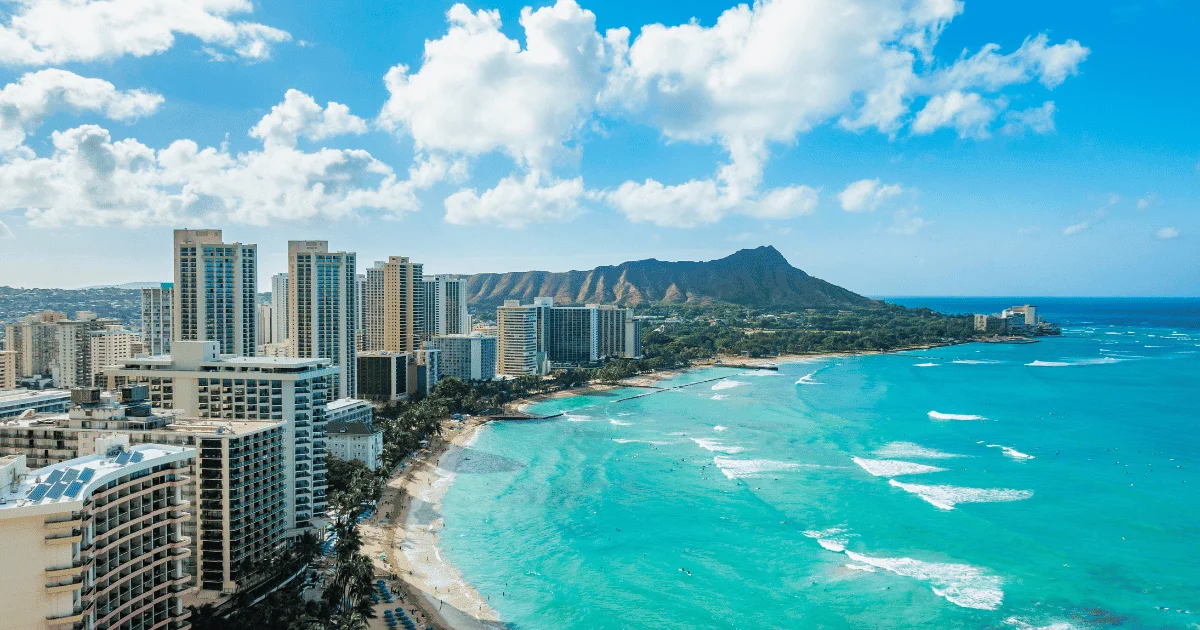
While final regulations are under development, statewide green building standards typically apply to:
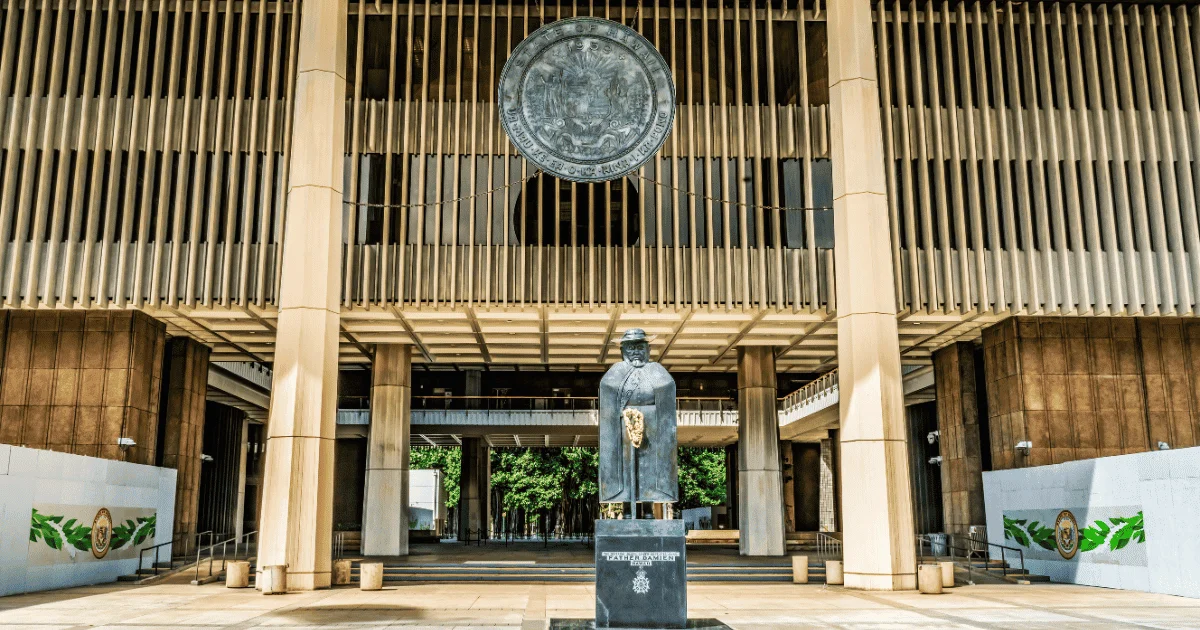
Based on the legislative direction and comparable programs in other states, Hawaii's Green Building Standards are likely to include:
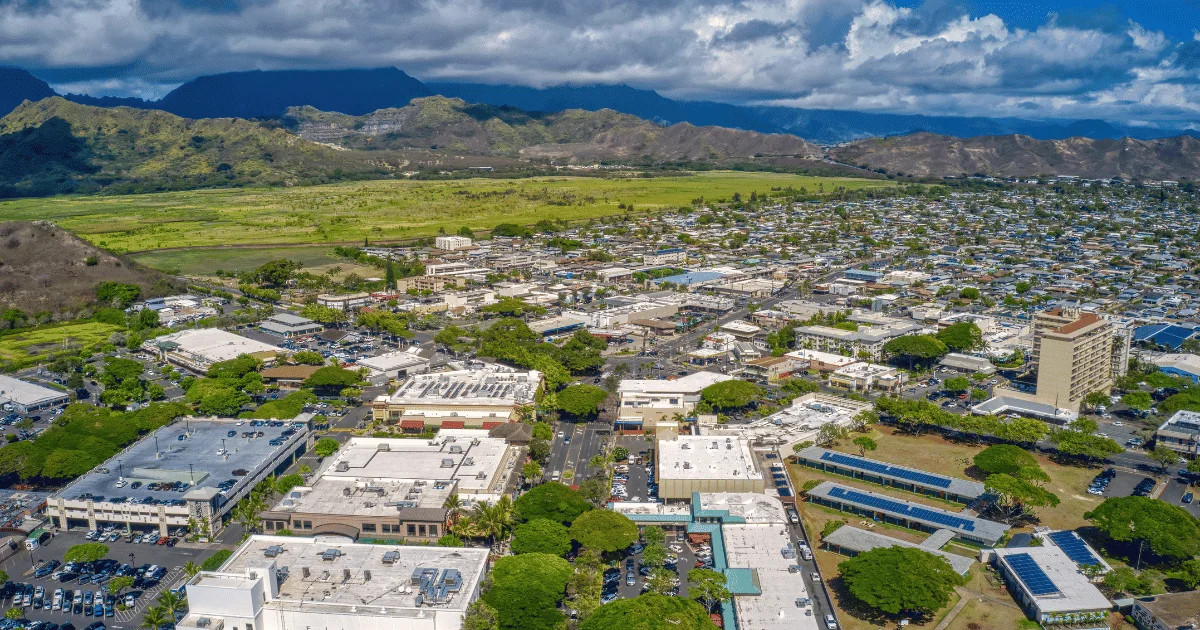
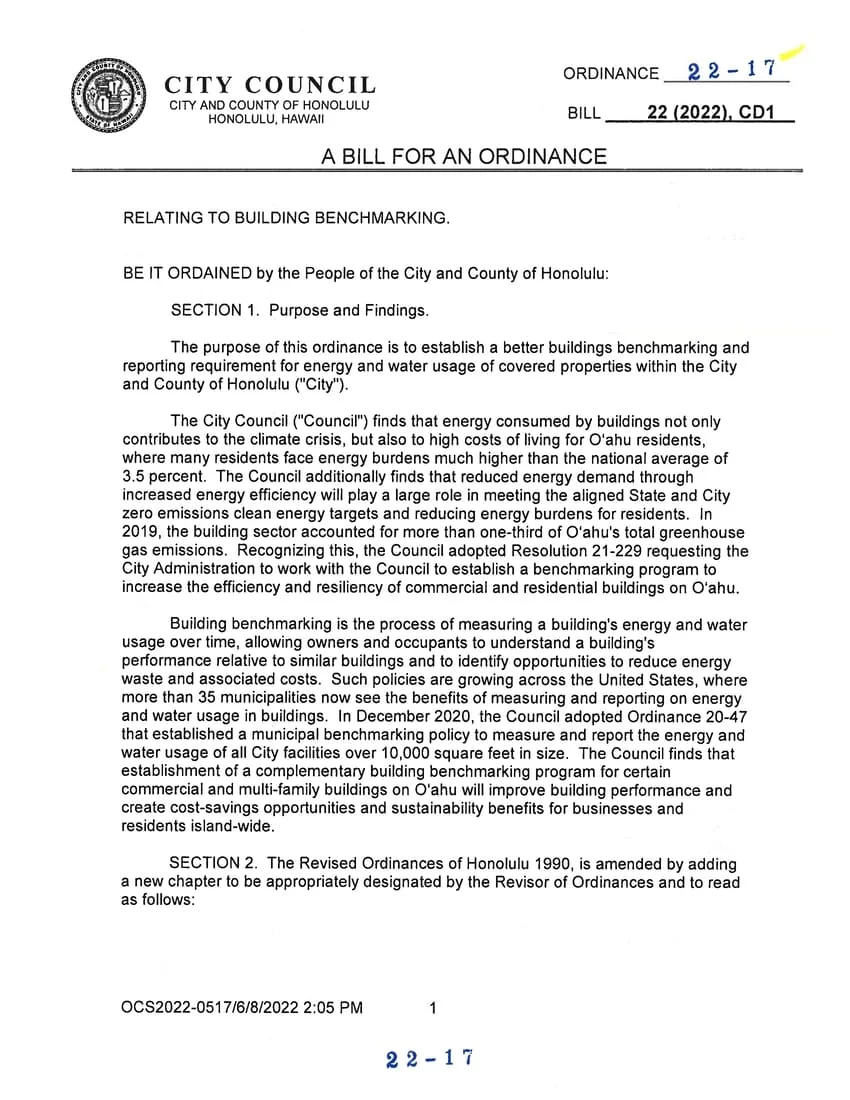
Hawaii's statewide green building standards will work alongside existing local programs:
While Honolulu's benchmarking focuses on existing building performance tracking, the statewide green building standards address new construction and major renovations. Together, these programs create a comprehensive framework for improving building performance across Hawaii's entire building stock.
Buildings designed to green building standards consume 20-30% less energy than code-minimum buildings. Over a building's lifecycle, these savings significantly outweigh any additional upfront construction costs.
Green-certified buildings command premium rents and higher resale values. As sustainability becomes increasingly important to tenants and investors, code-compliant buildings gain competitive advantages.
Buildings constructed to current green standards avoid costly retrofits when regulations tighten. With Hawaii's aggressive climate goals, standards will only become more stringent over time.
Green building projects may qualify for:
Green buildings provide better indoor air quality, natural lighting, and thermal comfort, leading to improved tenant satisfaction and productivity.
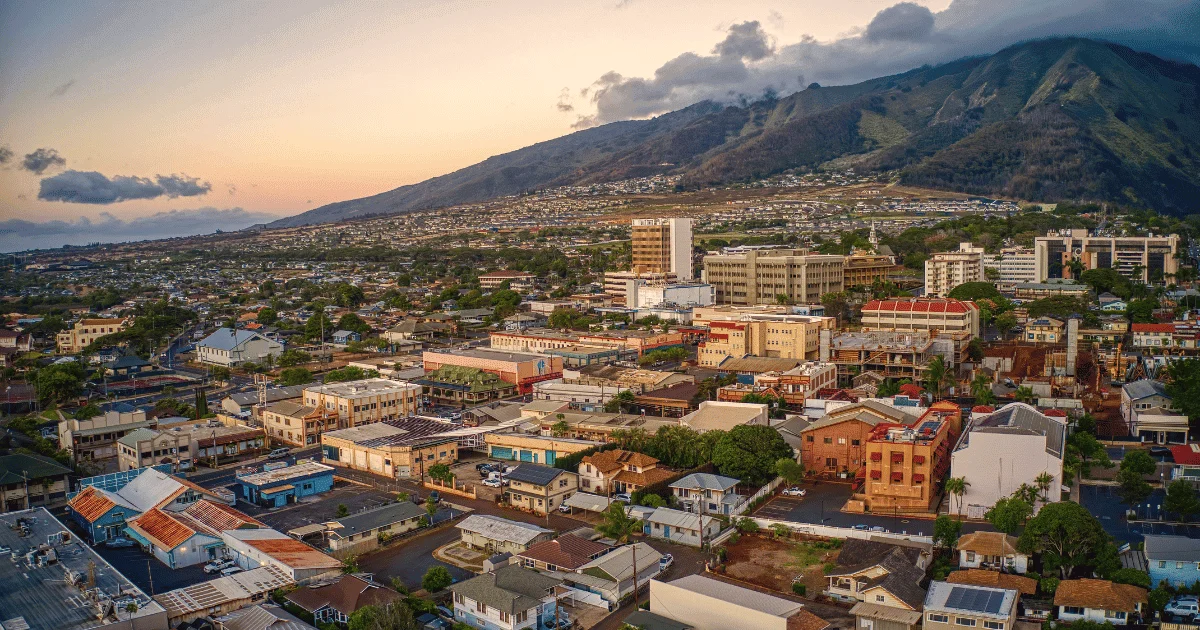
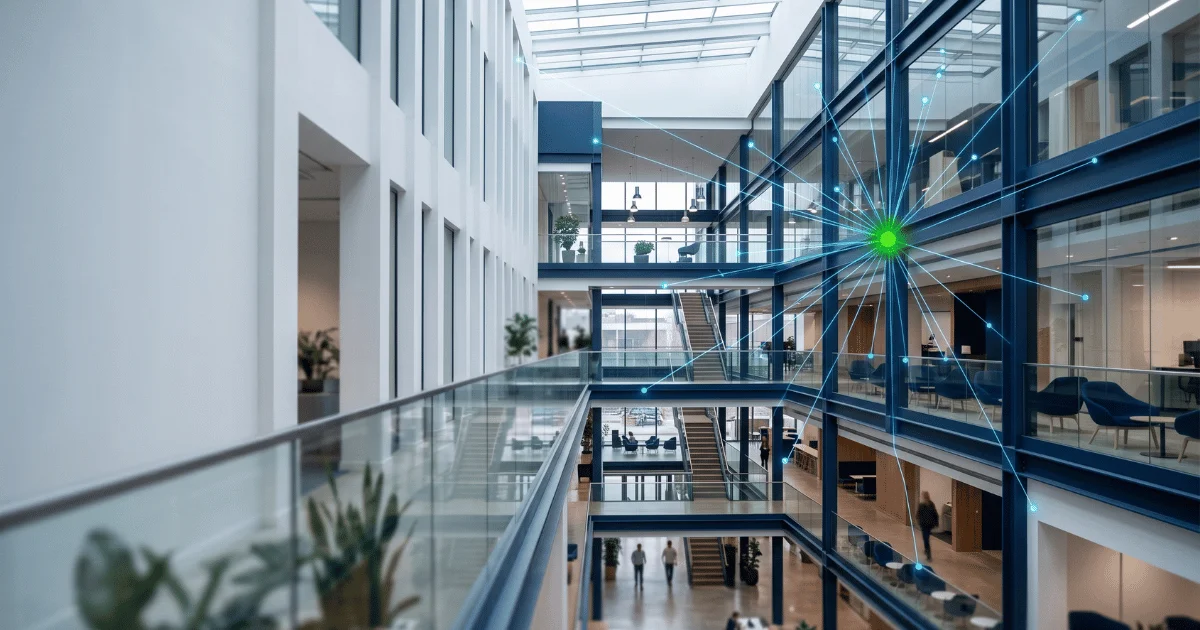
Meeting Hawaii's green building standards requires robust monitoring and management capabilities. Modern IoT and wireless energy management solutions provide:
Wireless sensors and smart meters track energy consumption, water usage, and indoor environmental conditions continuously, ensuring buildings operate as designed.
Energy management platforms automatically generate reports required for benchmarking compliance and green building certification, reducing administrative burden.
AI-powered analytics identify equipment inefficiencies before they cause system failures, maintaining optimal performance and avoiding costly repairs.
Connected building systems can automatically participate in utility demand response programs, reducing peak energy costs and earning incentive payments.
Continuous monitoring verifies that buildings achieve their design intent, ensuring green building investments deliver expected returns.
Sanalife's E360 Energy Monitoring and Management Software provides these capabilities in a unified platform designed specifically for Hawaii's unique requirements. E360 enables businesses to monitor performance, automate reporting, optimize energy use, and participate in demand response programs, all while demonstrating compliance with evolving building performance standards.
With standards development underway and the State Building Code Council reporting to the legislature before 2026, businesses should take proactive steps:
Monitor updates from the Hawaii State Energy Office and State Building Code Council as standards are developed and adopted.
Review planned construction and renovation projects to identify opportunities to exceed current code requirements and anticipate future standards.
Work with architects and engineers experienced in green building design to incorporate energy efficiency, electrification, and resilience features.
Install IoT-based energy monitoring systems in existing buildings to establish performance baselines and identify efficiency opportunities.
Take advantage of Hawaii Energy incentives, federal tax credits, and utility programs that support energy efficiency and renewable energy investments.
Begin transitioning away from fossil fuel equipment to electric alternatives, taking advantage of equipment replacement cycles to avoid stranded assets. Hawaii's Path to a Sustainable Building Future
Hawaii's Green Building Standards represent the next phase in the state's comprehensive approach to achieving 100% clean energy and carbon neutrality by 2045. By establishing performance requirements for new construction and major renovations, Hawaii ensures that every new building contributes to, rather than undermines, the state's climate goals.
For businesses, early preparation offers competitive advantages: lower operating costs, enhanced asset values, and leadership positioning in Hawaii's sustainable economy. Companies that embrace green building practices today will be well-positioned as standards become mandatory across the state.
By combining thoughtful design, advanced building technologies, and continuous performance monitoring, Hawaii's businesses can construct and operate buildings that meet the state's ambitious sustainability vision while delivering superior financial and operational performance.


We deliver innovative energy management, demand response, and building automation solutions to enterprise, manufacturing, industrial, healthcare, hospitality, K-12, and higher education sectors across the United States and globally.
©2026 InTech Energy, Inc. DBA Sanalife. All rights reserved. Various trademarks held by their respective owners.