

Energy management is evolving fast as AI, digital twins, and renewable energy adoption accelerate. This article covers 7 trends shaping the industry, including the fact that Building Performance Standards now cover roughly 25 percent of U.S. buildings.
In 2025, energy efficiency will quickly shift from an important advantage to an absolute necessity, given that businesses increasingly face a combination of rising costs, stricter regulations, and rapid technical improvements. The expansion of Building Performance Standards (BPS) means more companies must meet higher efficiency requirements while emerging innovations are transforming how energy is monitored, managed, and optimized. With sustainability goals and financial pressures converging, businesses that act now will not only stay compliant but also reduce long-term costs and gain a competitive edge in an evolving energy landscape.
More intelligent energy strategies can enhance resilience, open doors to new financial opportunities, and position companies as industry leaders. In this article, we’ll explore the key energy trends shaping 2025 and what businesses can do to stay ahead.
.webp)
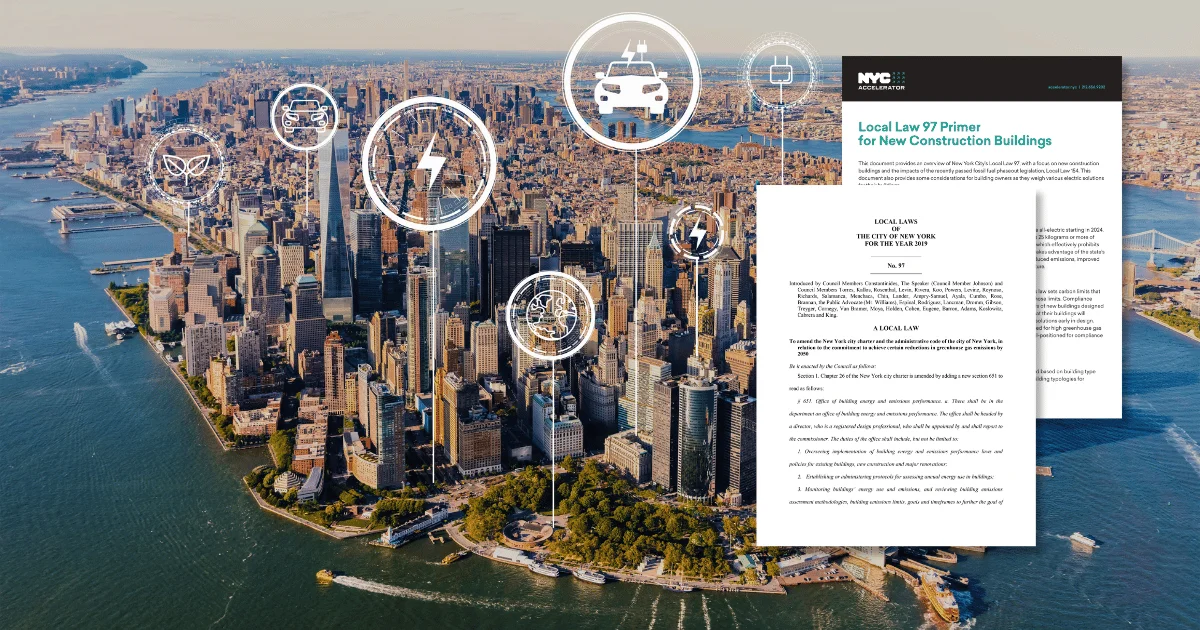
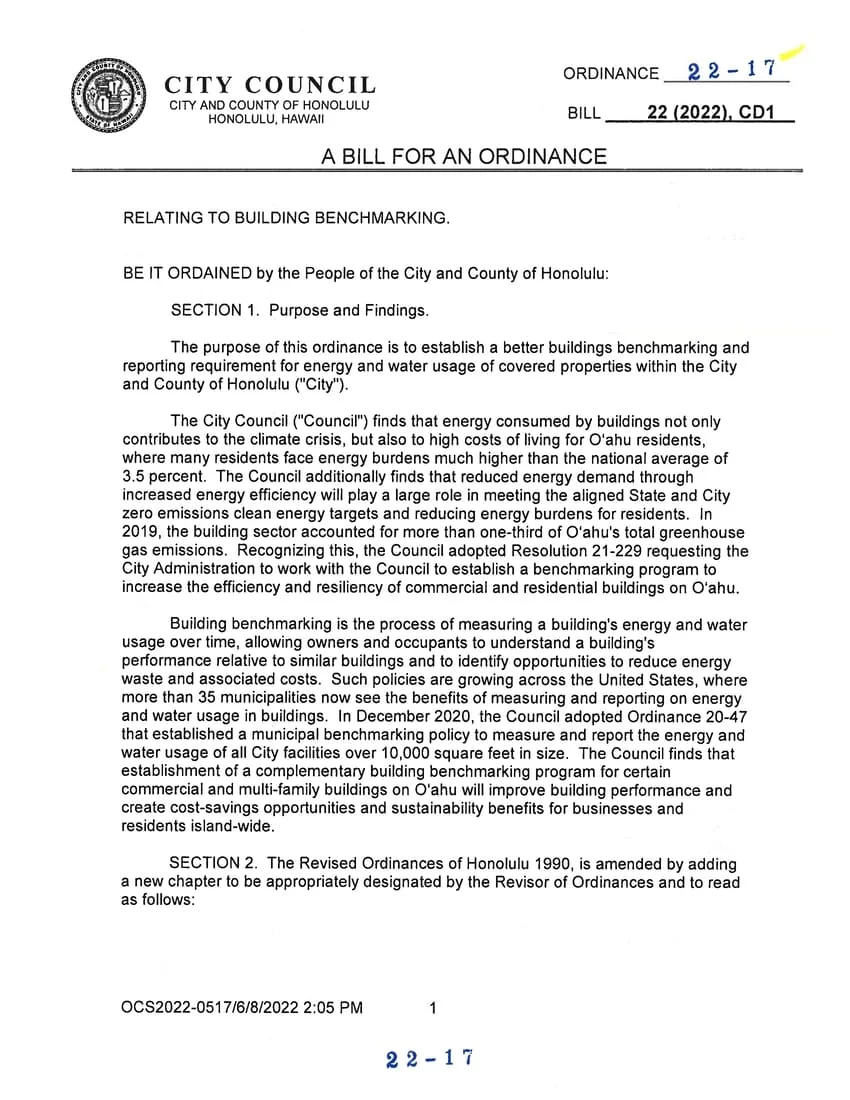
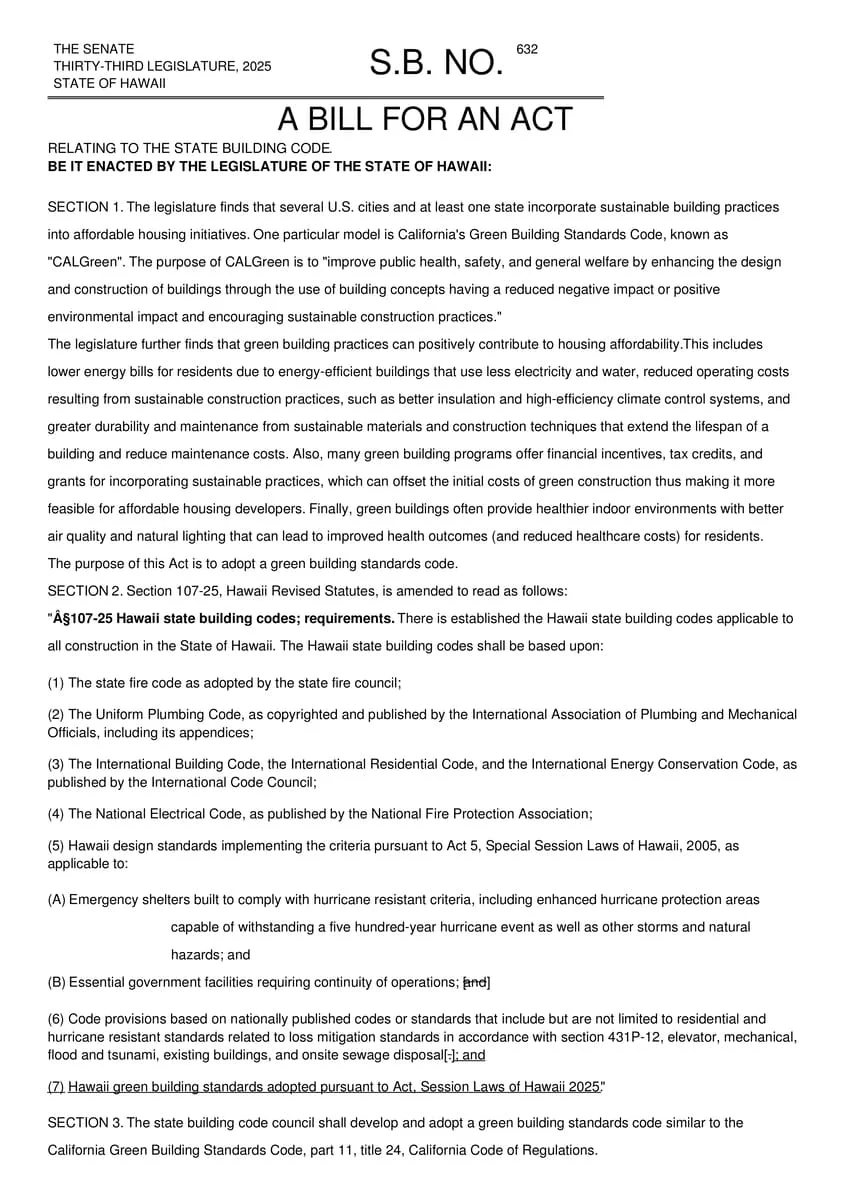
Building Performance Standards (BPS) are setting higher expectations for energy efficiency and emissions reduction, impacting both new and existing buildings. Businesses must adopt smarter energy management strategies to stay compliant and avoid costly penalties. While meeting these standards may seem like a challenge, compliance can lead to lower operating costs, improved building performance, increased property value, and reduced financial risk in the real estate market.
BPS helps drive energy efficiency, lowering utility costs and increasing property value. By aligning with climate action goals, businesses can improve their marketability while demonstrating a strong commitment to sustainability. Beyond compliance, meeting these standards enhances building performance and helps owners and managers reduce regulatory and financial risks.
Upgrading older buildings to meet BPS requirements can be costly and technically challenging. Staying compliant requires continuous monitoring and adjustments as regulations evolve, which can be difficult for property managers without the right energy management tools or expertise. Navigating these changes successfully takes careful planning and access to advanced energy solutions.

AI is making energy management more efficient by automating processes, analyzing usage patterns, and optimizing system performance. Industries like manufacturing, real estate, and healthcare already use AI to lower costs and operate more sustainably.
AI can help businesses cut energy waste, optimize usage, and reduce costs while working toward sustainability goals.
Implementing AI in energy management requires a significant upfront investment and relies on high-quality data to be effective. AI may not deliver the expected results without proper integration and ongoing maintenance.

Machine learning (ML) algorithms are a subset of AI algorithms that apply statistical techniques to analyze data, identify patterns, and make decisions based on those patterns. In energy management, ML helps uncover opportunities for optimization by detecting trends in consumption and system performance. By providing actionable insights, it enables businesses to reduce energy waste and improve overall efficiency.
ML’s ability to accurately forecast energy patterns allows organizations to plan ahead, minimize waste, and improve operational flexibility. ML also plays a key role in predictive maintenance, helping businesses catch potential issues early and avoid costly repairs.
Like AI, ML is only as effective as the data it relies on, making high-quality, well-integrated data essential for success.

Energy costs continue to rise due to increasing demand, growing cybersecurity risks, and the ongoing shift to renewable energy. While renewables offer long-term sustainability benefits, their variability can create challenges for grid stability and price consistency. As a result, businesses are seeing higher operational expenses and a greater need to focus on energy efficiency to manage costs and remain competitive.
Every industry relies on energy to keep operations running, making rising costs a challenge across the board. Price volatility can have an even more significant impact for energy-intensive sectors like manufacturing, data centers, healthcare, and commercial real estate. However, optimizing energy use is essential for every sector to maintain financial stability and support long-term sustainability.
Improving energy efficiency helps businesses reduce operational expenses, maintain financial stability, and minimize the risk of unexpected price increases. It also supports sustainability by lowering waste and emissions, enabling companies to meet environmental goals while keeping energy costs manageable.
The initial investment in energy-efficient upgrades and renewable energy can be a hurdle for many businesses. Market fluctuations, influenced by policy changes and supply chain disruptions, add another layer of uncertainty, making long-term price stability challenging to predict.

Demand response (DR) allows businesses to cut costs and support grid stability by reducing energy use during peak demand periods. Through incentive-based (IBP) or price-based (PBP) programs, facilities can adjust their energy consumption to ease grid strain and avoid high electricity costs.
Demand response programs help balance energy supply and demand, improving grid stability while reducing strain during peak usage. They offer businesses financial incentives to use energy more efficiently, reducing costs and supporting sustainability efforts.
An Energy Management System (EMS) can facilitate businesses' participation in demand response programs, but it does come with higher upfront costs. Even with an EMS in place, integrating demand response into existing operations can be complex and require careful planning to avoid disruptions.

More businesses are turning to solar, wind, and other renewable energy sources to lower costs and decrease dependence on fossil fuels. As renewables continue to make up a larger share of U.S. electricity generation, integrating them into the grid remains a challenge due to their variability.
By adopting renewable energy sources, businesses gain greater energy independence while significantly reducing emissions. Renewable adoption also supports sustainability goals, enhancing brand reputation and market competitiveness.
Because solar and wind energy generation can fluctuate, businesses may need storage solutions or hybrid systems to maintain a reliable power supply. While installation costs can be high, incentives and subsidies can help offset expenses.

Digital twins—virtual models of real-world systems—give businesses the power to predict, monitor, and optimize energy use in real-time. By simulating different scenarios, they help companies fine-tune energy performance before making expensive changes, ensuring smarter and more cost-effective decisions.
Digital twins help businesses operate more efficiently and make informed decisions. By simulating different scenarios, they highlight opportunities to reduce waste and downtime and plan smarter upgrades. With predictive insights, companies can avoid maintenance issues and work toward more sustainable operations.
Creating and maintaining digital twins involves substantial investment in hardware, software, and expertise. Integrating high-quality, real-time data from various sources can be technically challenging, especially for older facilities. Organizations need to carefully assess the costs and benefits of implementing digital twins to ensure a positive return on investment (ROI).
The energy landscape is evolving rapidly, and businesses that adapt to this shift will gain a strategic advantage. Stricter regulations, rising costs, and the increasing importance of technologies like AI, machine learning, digital twins, and renewable energy are shaping the future of energy management. Companies that invest in innovative, data-driven energy strategies today will not only reduce costs but also improve sustainability, resilience, and long-term growth. As we continue to move into 2025, staying ahead will require leveraging intelligent solutions, adapting to emerging challenges, and transforming insights into actionable strategies.
Subscribe to Sanalife Energy's newsletter for top industry insights, trends, and news.


We deliver innovative energy management, demand response, and building automation solutions to enterprise, manufacturing, industrial, healthcare, hospitality, K-12, and higher education sectors across the United States and globally.
©2026 InTech Energy, Inc. DBA Sanalife. All rights reserved. Various trademarks held by their respective owners.