

Smart buildings use connected sensors and automation to cut costs, reduce energy waste, and create healthier, more productive spaces. This guide explores how intelligent building technology improves efficiency, security, and the future of commercial work.
As business technology continues to progress at a rapid pace, smart buildings are emerging as a leading innovation. These buildings are designed to adapt to a business's specific needs, providing comfortable and secure environments by adjusting lighting, temperature, and security systems. Smart buildings bring together multiple advanced technologies to create sustainable and intelligent spaces. This blog explores smart buildings' incredible capabilities and potential and how they transform how we work and interact with our technologically advanced built environments.

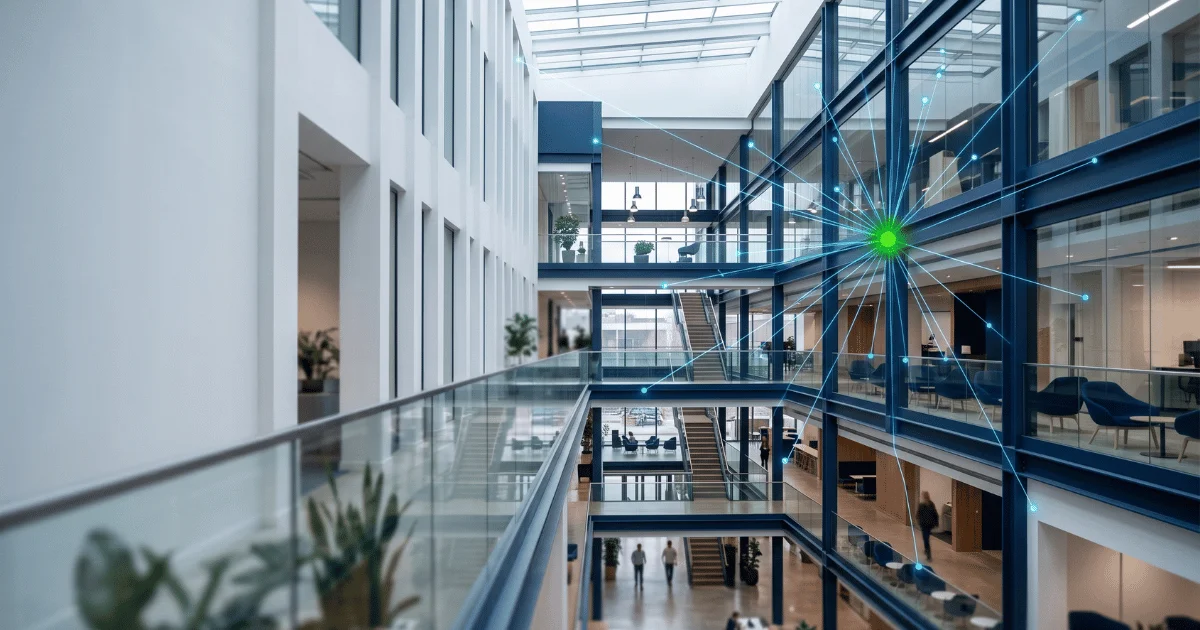
Smart buildings, also called intelligent buildings or smart facilities, use advanced technologies and systems to improve efficiency, sustainability, and occupant comfort. They rely on interconnected devices, sensors, and automation systems to monitor and regulate various functions, including lighting, heating, ventilation, air conditioning (HVAC), security, and energy management.
Smart buildings have essential features that enable them to achieve various functions and goals. These key features include:
Smart buildings utilize a network infrastructure to connect devices, systems, and occupants. This allows for seamless communication and data sharing between various technology systems and components within the building.
Automated systems monitor and control building operations. Sensors collect data on occupancy, temperature, humidity, lighting levels, and other parameters, enabling intelligent systems control for optimal performance.
Smart buildings prioritize energy conservation by implementing efficient lighting systems, optimized HVAC controls, and intelligent energy management. This helps reduce energy use and lower operational costs.
These buildings often integrate renewable energy sources like solar panels and employ energy-efficient equipment and materials. They may also utilize smart grid technologies to optimize energy usage and support sustainability initiatives.
Smart building solutions incorporate advanced security systems, including surveillance cameras, access control systems, and intelligent alarms. These systems can be integrated and remotely monitored for enhanced security and emergency response.
Smart building systems focus on creating a comfortable and healthy environment for occupants. Intelligent lighting, temperature controls, and air quality monitoring improve occupant satisfaction, productivity, and well-being.
Smart buildings generate vast amounts of data from various sensors and systems. Advanced analytics tools can process this data to gain insights into building performance, identify areas for improvement, and enable predictive maintenance.
While there are many key features, the main objective of a smart building is to efficiently utilize resources, lower operational expenses, improve the experience of those who occupy the space, and help create a more sustainable future.

A wide range of smart building technologies are available today, each serving a specific purpose in enhancing building operations, energy efficiency, occupant comfort, and overall sustainability.
There are several primary categories of smart building technologies, which are:
BAS forms the backbone of smart buildings, integrating various subsystems and devices to enable centralized control and monitoring. These systems automate HVAC, lighting, security, access control, and fire safety, ensuring efficient operation and energy conservation.
Building Energy Management Systems focus on optimizing energy usage within a building. They utilize real-time data from sensors to monitor energy consumption, identify inefficiencies, and automate energy-saving strategies. This includes intelligent lighting controls, occupancy-based HVAC adjustments, and demand response capabilities.
IoT devices like sensors and actuators are deployed throughout a smart building to collect data and enable communication between different systems. These devices monitor occupancy, temperature, humidity, and air quality, enabling intelligent decision-making for improved energy efficiency and occupant comfort.
Smart lighting systems incorporate sensors, dimmers, and automated controls to adjust lighting levels based on occupancy and natural light availability. They can be programmed to create personalized lighting scenes, enhance productivity, and reduce energy consumption by optimizing illumination.
Occupancy tracking technologies employ various sensors, including motion detectors and infrared cameras, to monitor and analyze occupancy patterns within a building. This information helps optimize energy usage, space utilization, and security measures.
Smart buildings often integrate renewable energy sources like solar panels, wind turbines, and geothermal systems. These technologies generate clean energy on-site, reducing reliance on traditional power grids and promoting sustainability.
The abundance of data generated by smart buildings is processed and analyzed using advanced analytics, machine learning, and AI algorithms. This enables predictive maintenance, fault detection, energy optimization, and continuous improvement of building operations.
Smart buildings employ advanced security systems integrating surveillance cameras, access control, biometric identification, and intelligent alarms. These systems provide enhanced security, real-time monitoring, and quick response capabilities.
IEQ monitoring systems measure parameters like temperature, humidity, air quality, and noise levels within a building. By continuously monitoring and analyzing these factors, smart buildings can create a healthy and comfortable indoor environment for occupants.
These are just a few examples of the diverse array of smart building technologies available today. As innovation continues, new advancements are constantly emerging, expanding the possibilities for creating more intelligent, sustainable, and connected buildings.

Businesses across various industries can enjoy numerous benefits by adopting smart building technologies. Here are some key advantages of these systems:
Smart buildings employ advanced energy management systems, automated controls, and real-time data analytics to optimize energy usage. Businesses can significantly reduce their energy consumption and operating costs by implementing strategies like intelligent lighting, HVAC optimization, and demand response programs.
Improved energy efficiency directly translates into cost savings for businesses. Smart buildings help lower utility bills, maintenance expenses, and overall operational costs by optimizing resource usage and reducing wastage.
Smart buildings create a comfortable and healthy indoor environment for employees, customers, and visitors. Optimized lighting, temperature controls, and indoor air quality management contribute to increased occupant satisfaction and productivity. Enhanced comfort levels can positively impact employee morale and well-being, leading to improved performance and reduced absenteeism.
Smart buildings are designed to be flexible and adaptable to changing needs. With intelligent systems in place, businesses can easily reconfigure spaces, adjust lighting and temperature settings, and customize environments to meet specific requirements. This flexibility is particularly valuable for businesses with dynamic workspaces and evolving operational demands.
Smart buildings integrate sophisticated security systems, surveillance cameras, access controls, and alarms, providing a robust security infrastructure. Businesses can monitor their premises in real-time, prevent unauthorized access, detect and respond to security threats promptly, and ensure the safety of occupants and assets.
Smart buildings utilize data analytics and AI algorithms to monitor the performance of equipment and systems. By detecting anomalies and identifying potential failures in advance, businesses can implement predictive maintenance strategies, reducing downtime, improving building performance, and avoiding costly equipment breakdowns.
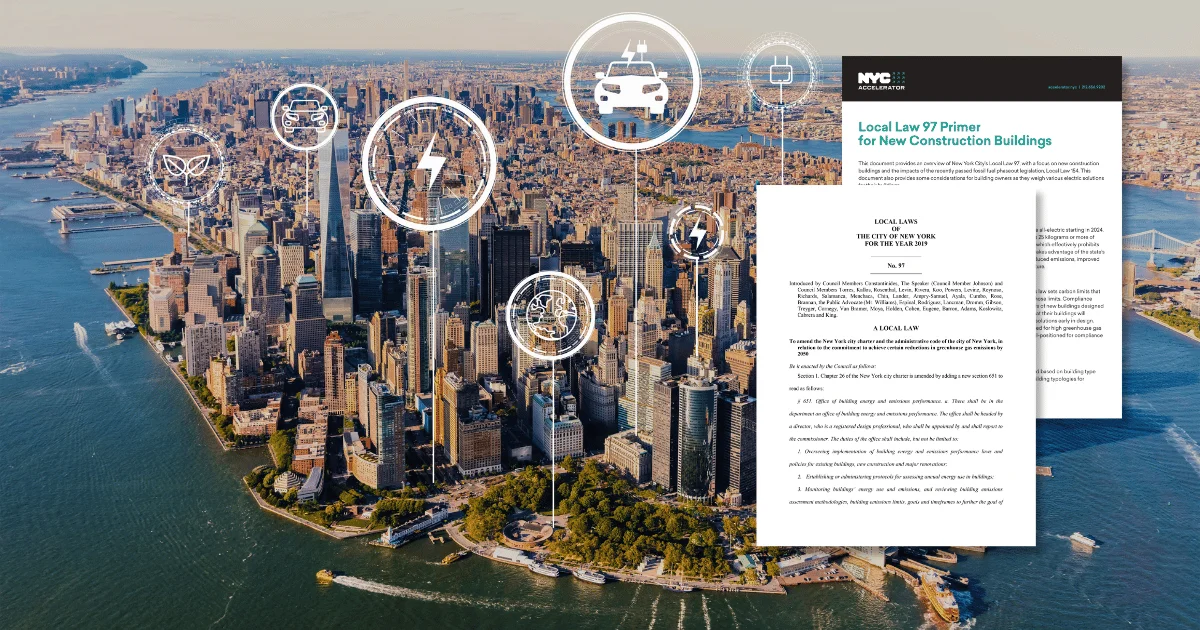
Smart buildings contribute to sustainability goals by incorporating renewable energy sources, optimizing energy usage, and reducing carbon footprint. Businesses, building owners, and facility managers can enhance their corporate social responsibility efforts, comply with environmental regulations, and improve their reputation as environmentally responsible organizations.
Smart buildings generate vast amounts of data on energy consumption, occupancy patterns, equipment performance, and environmental conditions. By leveraging data analytics, businesses can gain insights into building operations, identify areas for improvement, and make informed decisions to optimize resource allocation and operational efficiency.
Adopting smart building technologies can provide businesses with a competitive edge and differentiate them in the market. Demonstrating a commitment to sustainability, occupant comfort, and cutting-edge technologies can attract environmentally conscious customers, top talent, and investors.
Investing in smart building technologies ensures businesses are prepared for the future. Smart buildings can easily integrate new systems and adapt to emerging trends as technology advances, ensuring longevity and scalability for businesses in a rapidly evolving digital landscape.

In today's world, innovation and sustainability are key drivers, and smart buildings are leading the way by providing numerous benefits to businesses. By adopting smart building technologies, businesses can improve efficiency, reduce costs, create healthier and more productive environments, and position themselves as leaders in sustainability and innovation. The advantages of these intelligent structures are impressive, including enhanced energy efficiency and cost savings, improved occupant comfort, and increased productivity.
Smart buildings optimize resource usage, reduce operational costs, and contribute to a healthier, more sustainable future. Businesses can achieve new efficiency, security, and adaptability by utilizing data analytics, automation, and connectivity. With the growing demand for smarter, greener buildings, embracing the benefits of smart buildings is not just a choice but a necessity for businesses that want to thrive in today's ever-evolving landscape.
Subscribe to Sanalife Energy's newsletter for top industry insights, trends, and news.


We deliver innovative energy management, demand response, and building automation solutions to enterprise, manufacturing, industrial, healthcare, hospitality, K-12, and higher education sectors across the United States and globally.
©2026 InTech Energy, Inc. DBA Sanalife. All rights reserved. Various trademarks held by their respective owners.

.webp)