A commercial HVAC controls upgrade replaces controllers, sensors, wiring, and the front end, and most of its cost and disruption comes from hardwired installation, not the hardware. Conventional controls economically reach only the top 20% of a building. Most of the value people want comes from visibility and targeted control at the zone, which wireless IoT controls can add without conduit. Measure first, fix what the data shows, then decide whether the big project earns its budget.
A controls vendor walks your building, looks at the aging panel in the mechanical room, and quotes you a full HVAC controls upgrade. New controllers, new sensors, new wiring, new front end, a commissioning schedule measured in weeks. It is a big number, and the pitch is simple: your building will finally run the way it should.
Some of that is real. A lot of it is a vendor selling the whole system when you needed a handful of specific outcomes. Before you sign, it helps to know what a commercial HVAC controls upgrade actually involves, where the cost and disruption come from, and which of those outcomes you can get without rewiring the building.
A conventional HVAC controls upgrade replaces or augments the system that operates your mechanical equipment. In practice, that means work on most of these fronts:
On a large building with a dedicated outdoor air system (DOAS), fan coil units (FCUs), or variable refrigerant flow (VRF), the scope grows accordingly. None of this is wrong. The question is how much of it your building actually needs.
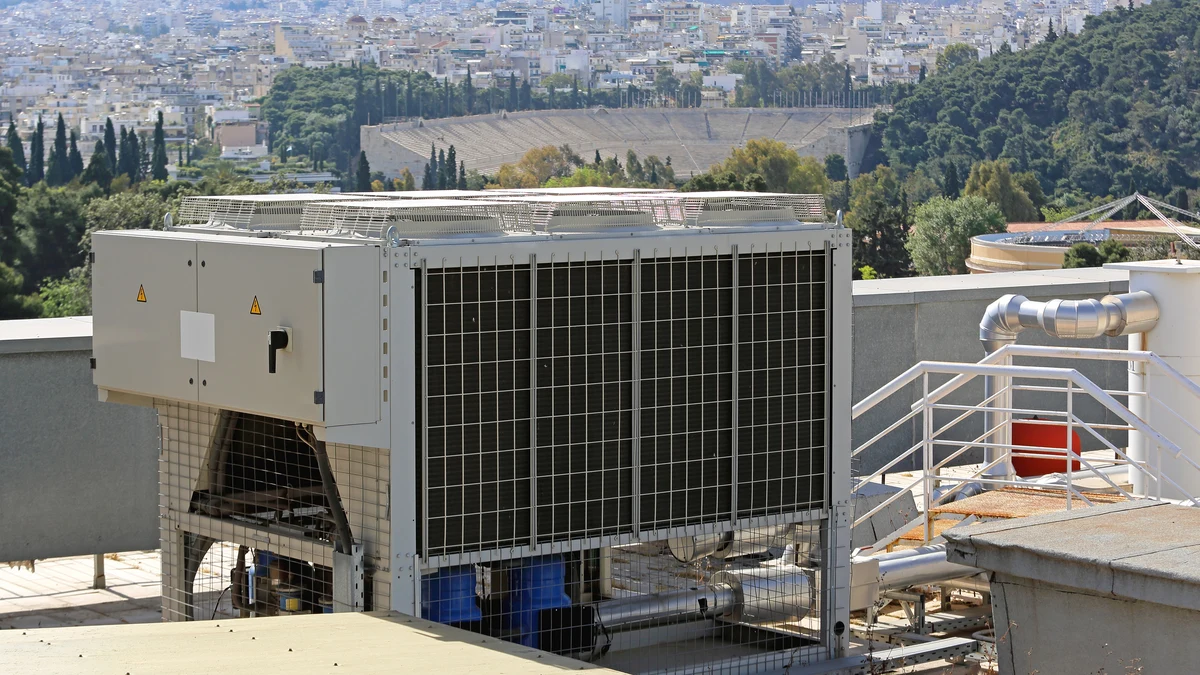
The reason a controls upgrade is expensive and slow is not the controllers. It is the way they get installed.
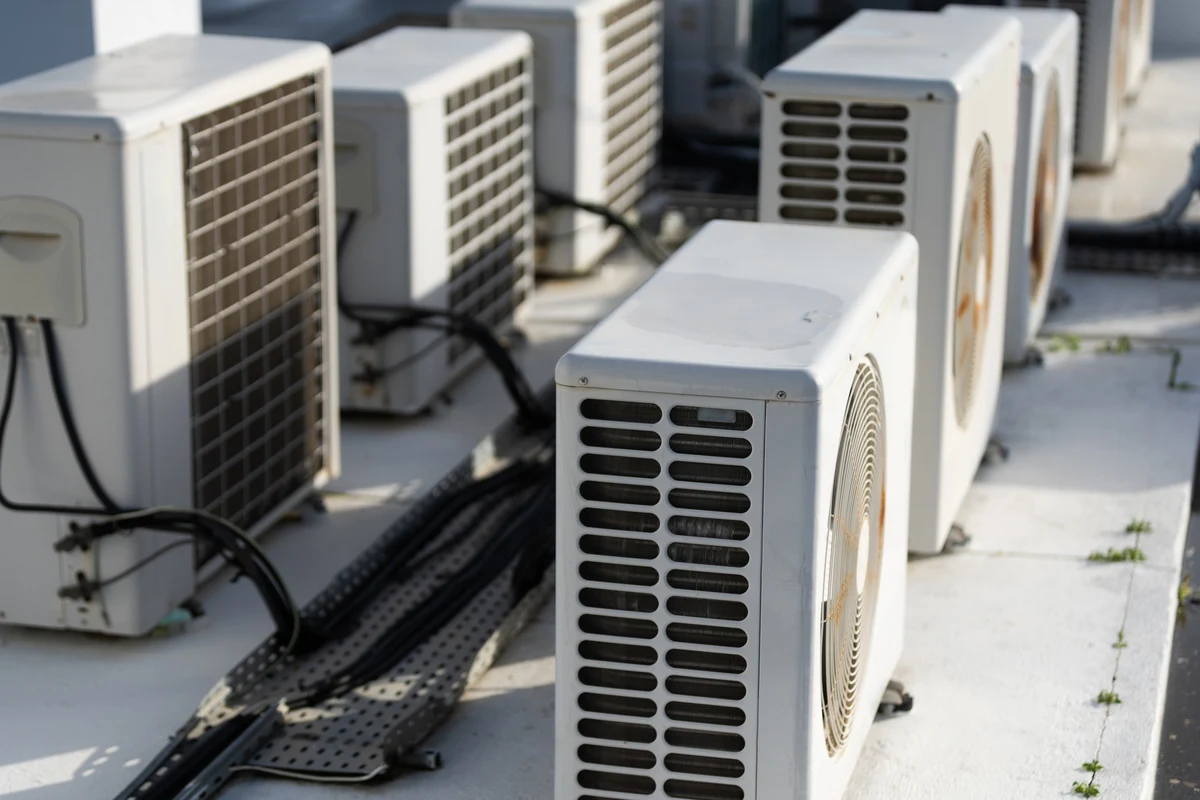
Hardwiring means conduit runs. Conduit runs mean electricians, and in an occupied building, after-hours work. Commissioning a full system means weeks of point-to-point verification. And most of the stock this happens in was not built for it: three-quarters of US commercial buildings went up before 2000 (EIA CBECS, 2018), so the controls contractor is retrofitting new digital equipment into a building whose bones predate it.
That is also why controls coverage tends to stop at the major mechanical equipment. A conventional building automation system economically reaches roughly the top 20% of a building, the central plant and the big air handlers. Extending hardwired control down to every zone, every piece of ancillary equipment, every circuit, is usually cost-prohibitive. So the upgrade modernizes the equipment the system already touched and leaves the rest where it was.
Step back from the hardware and look at the outcomes people expect from a controls upgrade. Almost always, the list is some version of:
Here is the part the rip-and-replace quote does not mention: most of that value comes from visibility and targeted control at the zone, not from replacing the controllers on your central plant. Buildings waste roughly 30% of the energy they consume, an EPA estimate cited by the U.S. Department of Energy, and Lawrence Berkeley National Laboratory reports median whole-building energy savings of 9% from fault detection and diagnostics software. You cannot capture any of that without first seeing what the equipment is doing.
A smarter sequence than "quote the full upgrade and commission for a month" is to measure the building, fix what the data exposes, and only then decide whether the big controls project earns its budget.
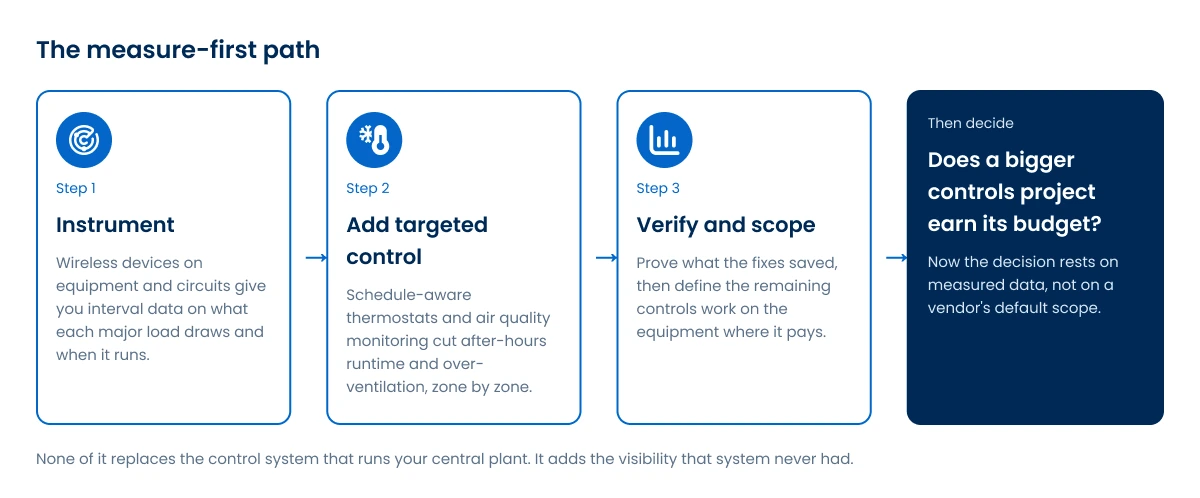
That path has three moves, and none of them requires tearing the building apart:
None of this replaces the control system that runs your central plant. It adds the visibility that control system never had, captures the operational wins that do not need new controllers, and makes any upgrade you do approve a defensible, data-backed decision rather than a vendor's default scope.
If the hardwired quote is the default, wireless IoT controls are the upgrade path that works around its biggest cost. Four things make them a sound first move:
If a commercial HVAC controls upgrade is on your desk, three questions are worth answering first:
The buildings that modernize well this decade are not the ones that bought the biggest controls package. They are the ones that measured first, fixed what the data showed, and spent the capital where the building earned it.
That is the layer E360 adds: wireless instrumentation across the equipment and zones a conventional system never reached, plus schedule and IAQ-aware control where it pays, with no conduit runs. Before you approve a rip-and-replace, it is worth seeing what the building is actually doing.


We deliver innovative energy management, demand response, and building automation solutions to enterprise, manufacturing, industrial, healthcare, hospitality, K-12, and higher education sectors across the United States and globally.
©2026 InTech Energy, Inc. DBA Sanalife Energy. All rights reserved. Various trademarks held by their respective owners.