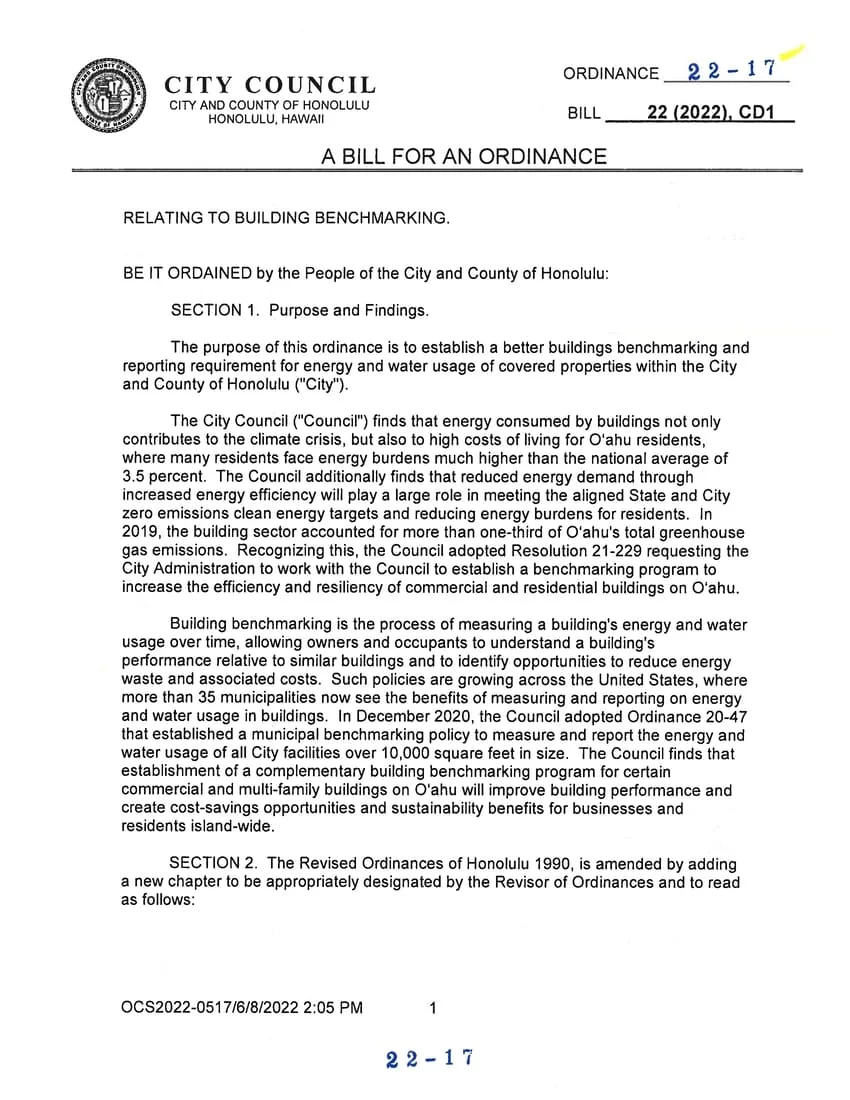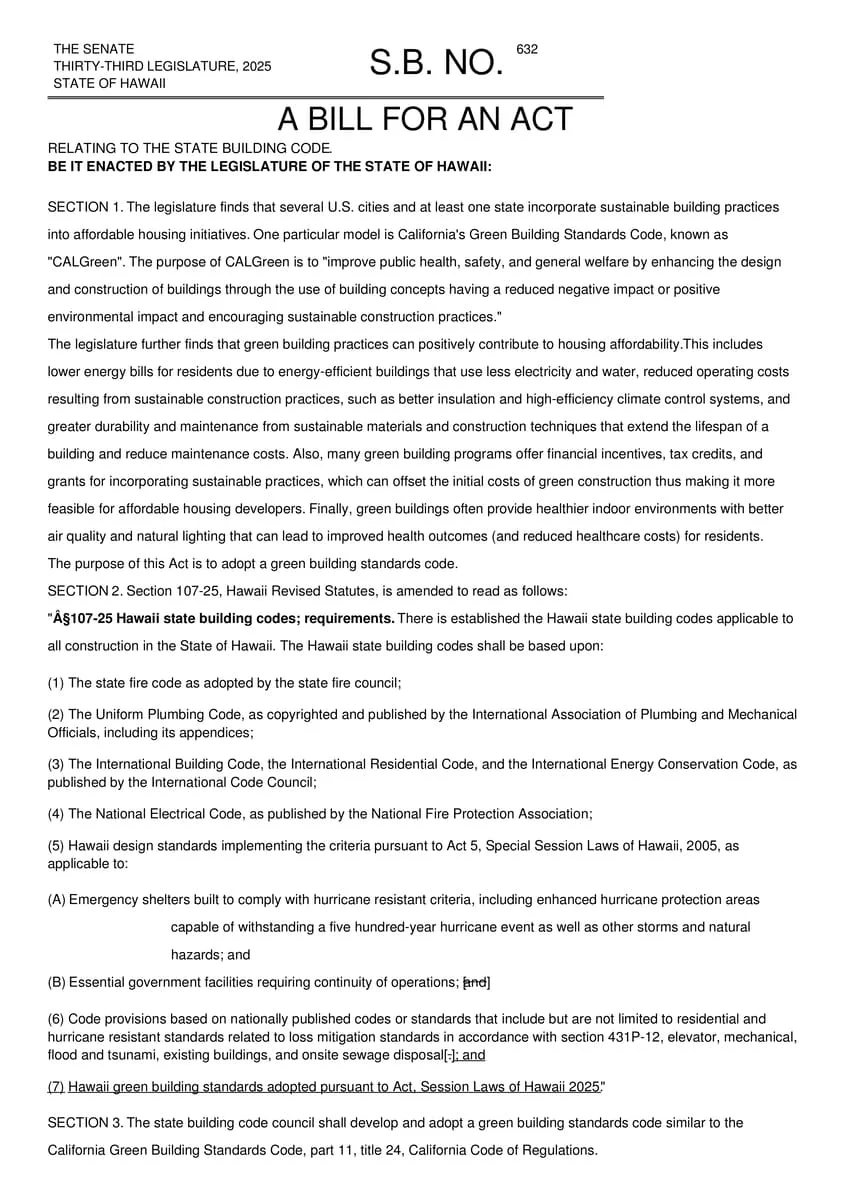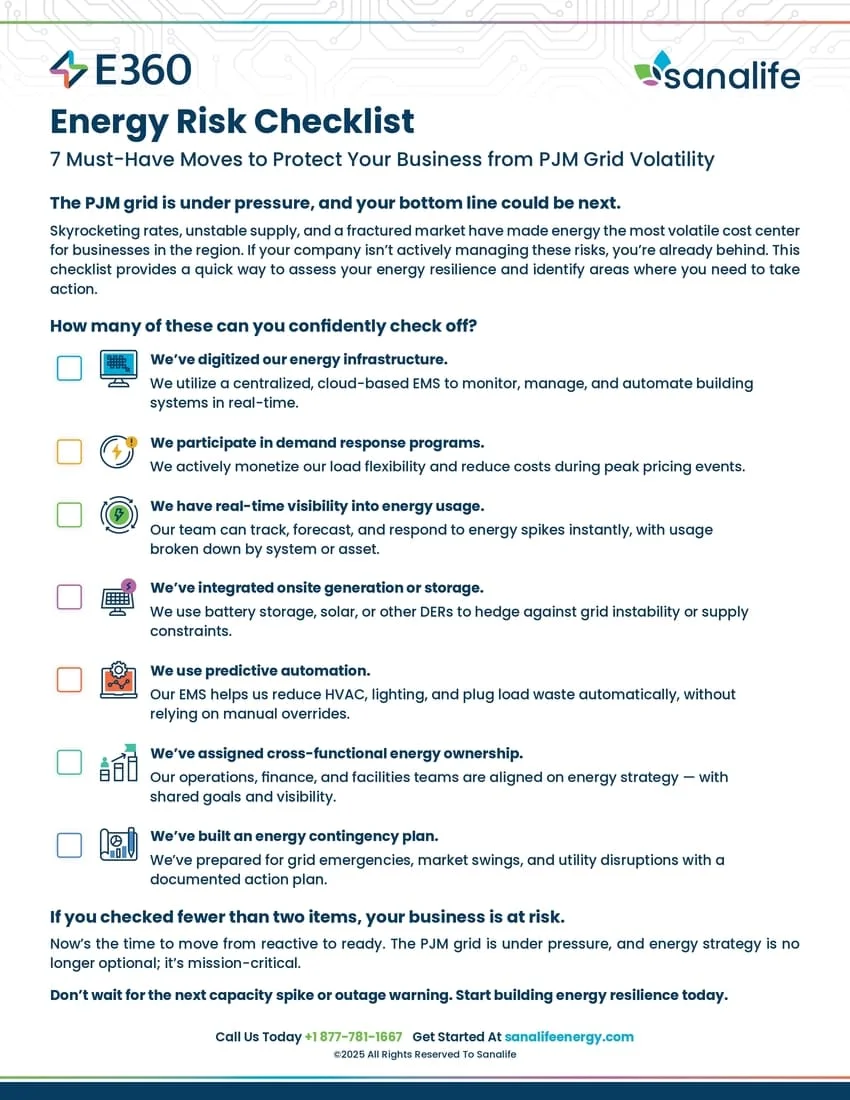



Milwaukee's Efficient Buildings Benchmarking Ordinance requires large commercial and municipal buildings to report energy usage annually as part of the city's sustainability goals. This guide covers compliance requirements, deadlines, and strategies to meet performance standards while cutting costs.
Milwaukee is taking decisive action to reduce energy waste and emissions in commercial and municipal buildings. The city’s new Building Performance Standards (BPS) require large buildings to track and report their energy use annually. By increasing transparency and promoting efficiency, this initiative supports Milwaukee’s Climate and Equity Plan goal of cutting emissions by 45% by 2030 and reaching net-zero emissions by 2050.
If your business operates in Milwaukee and falls within the policy’s scope, it is critical to understand the requirements, deadlines, and steps necessary to maintain compliance. This guide explains how the city’s benchmarking ordinance works and what businesses must do to stay ahead.
Building Performance Standards (BPS) are regulations that require buildings to meet specific energy efficiency and emissions reduction targets. Milwaukee’s benchmarking ordinance mandates that covered buildings track, report, and publicly disclose their annual energy performance.

The program aims to encourage energy efficiency upgrades, reduce carbon emissions, and help businesses identify cost-saving opportunities.
Milwaukee’s benchmarking ordinance applies to:
If your property falls within these categories, you must track and report energy performance while making necessary improvements to meet city targets.
The first step in compliance is benchmarking your building’s energy use. This involves:
Regular monitoring provides valuable insights into energy waste and cost-saving opportunities.
Milwaukee’s ordinance requires businesses to submit energy data annually:
Failure to meet these deadlines could result in penalties or loss of compliance incentives.
Benchmarking data helps businesses pinpoint inefficiencies and identify potential upgrades, including:
Improving energy efficiency helps lower operational costs while ensuring regulatory compliance.
As part of Milwaukee’s long-term sustainability goals, businesses are encouraged to:
Investing in clean energy solutions helps businesses meet future regulatory requirements while reducing long-term utility expenses.
Milwaukee offers support to help businesses comply with BPS, including:
Leveraging these resources reduces the cost and complexity of compliance.

Energy-efficient buildings consume less power, resulting in:
Non-compliance with Milwaukee’s BPS can lead to:
Energy-efficient buildings are:
Sustainability leadership enhances brand reputation and strengthens business resilience.

Some businesses may be concerned about the cost of implementing efficiency upgrades. However, Milwaukee offers:
Tracking energy performance and submitting reports can be complex. To simplify the process:
Older buildings may require more substantial retrofits to meet energy standards. A phased approach can help:
Milwaukee’s Building Performance Standards are shaping the future of energy management in commercial and municipal buildings. To stay compliant, businesses must:
By taking proactive steps now, businesses can reduce costs, meet regulatory requirements, and enhance sustainability performance.


We deliver innovative energy management, demand response, and building automation solutions to enterprise, manufacturing, industrial, healthcare, hospitality, K-12, and higher education sectors across the United States and globally.
©2026 InTech Energy, Inc. DBA Sanalife. All rights reserved. Various trademarks held by their respective owners.