Reno's Energy and Water Efficiency Program (EWEP) requires large commercial and multifamily buildings to benchmark energy and water consumption annually. This guide covers compliance requirements, reporting deadlines, exemptions, and strategies to optimize energy and water use while cutting costs.
Reno’s Commitment To Energy Efficiency and Sustainability
Reno is making significant strides toward sustainability with the Energy and Water Efficiency Program (EWEP). The ordinance requires large commercial and multifamily buildings to track, report, and improve their energy and water performance to help meet the city’s climate action goals. The program aligns with Reno’s broader commitment to reducing greenhouse gas emissions by 28% by 2025 and 40% by 2030.
Buildings account for 66% of citywide greenhouse gas emissions, making energy and water efficiency a crucial focus area. Understanding the EWEP ordinance, compliance requirements, and efficiency strategies will help businesses avoid penalties, reduce costs, and improve overall building performance.
What Is Reno’s Energy and Water Efficiency Program?
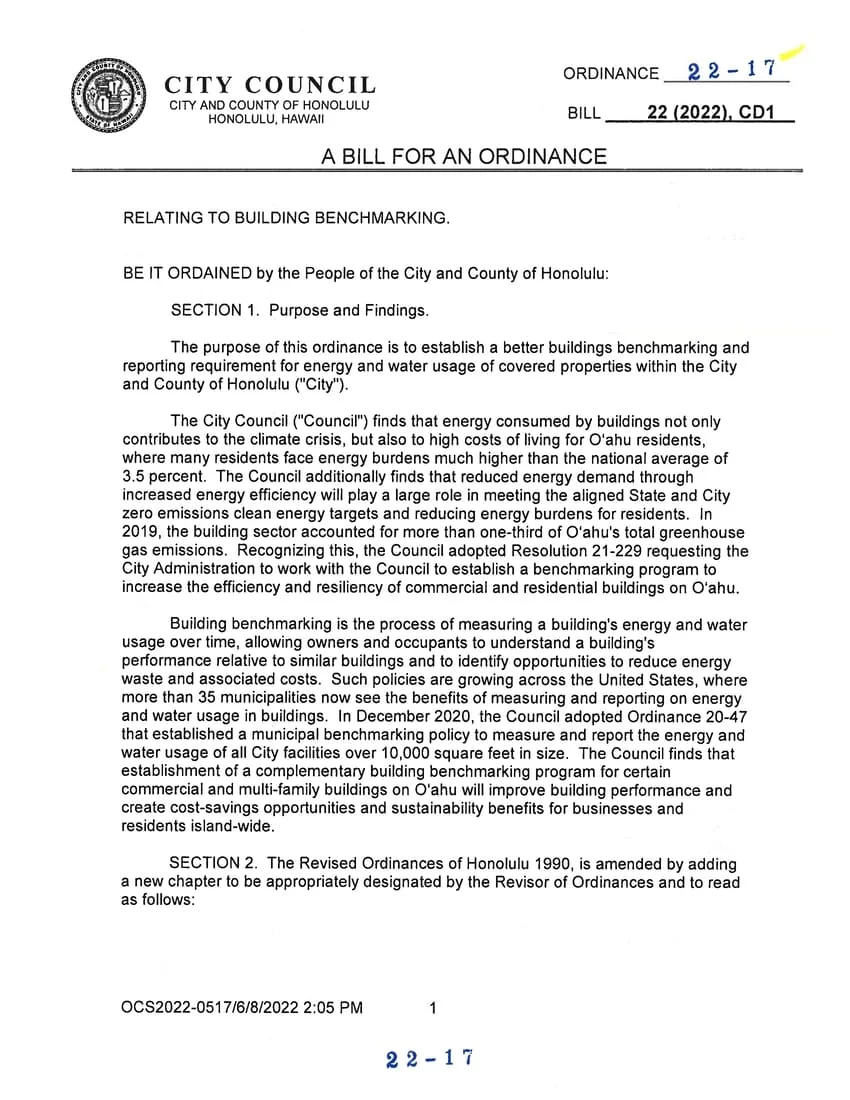
The EWEP ordinance (Chapter 14.30) establishes mandatory benchmarking and reporting for large buildings in Reno. The program’s primary objectives are to:
Enhance energy and water efficiency through data tracking and analysis.
Reduce greenhouse gas emissions by encouraging property owners to improve performance.
Increase market transparency by making energy data publicly available.
Who Must Comply To Renov's EWEP?
The Policy Applies To:
City-owned buildings over 10,000 square feet.
Local agency properties over 30,000 square feet where the agency regularly pays energy or water bills.
Private commercial and multifamily buildings over 30,000 square feet.
Single-family homes and residential buildings with four or fewer units.
Industrial or agricultural buildings classified under specific Standard Industrial Classification (SIC) codes.
Buildings under financial distress or with a demolition permit.
Buildings with an occupancy rate below 60% throughout the reporting year.
Buildings where utility data is inaccessible due to tenant restrictions.
Building owners seeking exemptions must submit documentation at least 60 days before the annual reporting deadline.
Benchmarking & Reporting Requirements
What Data Must Be Reported?
Building owners must submit annual energy and water performance data through ENERGY STAR Portfolio Manager, an online tool developed by the U.S. Environmental Protection Agency (EPA).
Required Data Includes:
Building address and gross floor area.
Primary and additional building use types.
Total energy and water consumption (electricity, natural gas, water, and other utilities).
ENERGY STAR score (if applicable).
Energy Use Intensity (EUI) and Water Use Intensity (WUI).
Total annual greenhouse gas emissions.
Reporting Deadlines:
Building owners must submit their benchmarking reports by April 1 of each year.
City-owned buildings (≥10,000 sq. ft.) – First report due April 1, 2019.
Agency and private sector buildings (≥100,000 sq. ft.) – First report due April 1, 2020.
Agency and private sector buildings (≥50,000 sq. ft.) – First report due April 1, 2021.
Agency and private sector buildings (≥30,000 sq. ft.) – First report due April 1, 2022.
Steps To Ensure Compliance With Reno’s EWEP Program
1. Set Up Energy and Water Tracking
To comply with EWEP, building owners must:
Create an ENERGY STAR Portfolio Manager account.
Enter building details, including total square footage and occupancy type.
Track 12 months of utility data for electricity, natural gas, and water.
Submit the benchmarking report to the City of Reno by April 1.
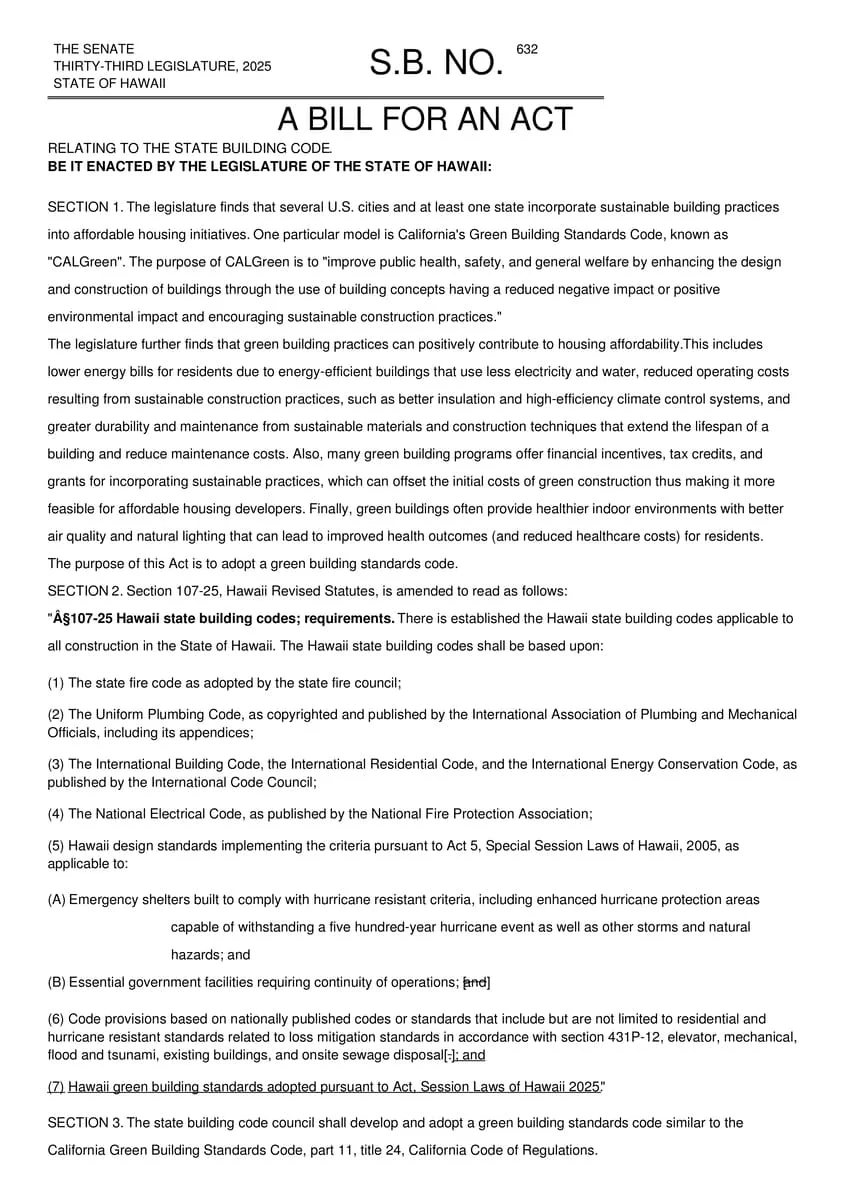
Enhance insulation and weatherproofing to reduce heating and cooling demand.
Implement building automation systems for smarter energy management.
3. Transition To Electrification
Buildings using natural gas or oil-based heating should begin transitioning to electric-powered systems to prepare for future regulations. Key steps include:
Installing electric heat pumps for more efficient heating and cooling.
Upgrading to electric water heaters.
Implementing electric vehicle (EV) charging stations to support sustainability initiatives.
4. Invest In Renewable Energy
On-site and off-site renewable energy can help buildings reduce emissions and improve performance ratings. Strategies include:
Installing solar panels to generate clean electricity.
Participating in community solar programs to offset carbon footprints.
Demonstrating sustainability efforts enhances reputation and investor confidence.
Preparing For EWEP Compliance In Reno
To stay ahead of compliance requirements, building owners should:
Track and report energy and water performance annually through ENERGY STAR Portfolio Manager.
Invest in efficiency upgrades to improve benchmarking scores.
Explore renewable energy and electrification options.
Utilize city incentives and technical support to offset costs.
Reno’s Energy and Water Efficiency Program plays a key role in reducing energy waste, cutting emissions, and promoting sustainability. By actively participating in benchmarking, property owners can enhance building performance, reduce costs, and contribute to Reno’s climate goals.
Reno Nevada Sustainability And Climate Action Plan
Discover how Reno Nevada Sustainability And Climate Action Plan supports energy efficiency, emissions reduction, and sustainable building practices. Download the report to stay ahead of regulatory requirements.
We deliver innovative energy management, demand response, and building automation solutions to enterprise, manufacturing, industrial, healthcare, hospitality, K-12, and higher education sectors across the United States and globally.