Electrical submetering measures energy use below the utility meter, down to tenants, floors, equipment, and circuits. It pays off first where costs are split or disputed, where demand peaks drive the bill, where new load like EV charging is coming, where savings need proof, and where reporting needs measured detail. Hardwired installs were the old barrier. Wireless metering makes it practical to meter the whole building.
Many commercial buildings are billed from a single electric meter. The utility meter at the service entrance reports what the entire property drew. The bill arrives once a month, and assumptions split everything below it. Which tenant drove the peak, which circuit runs all night, whether the new rooftop units pull what the spec promised: the one meter can't say.
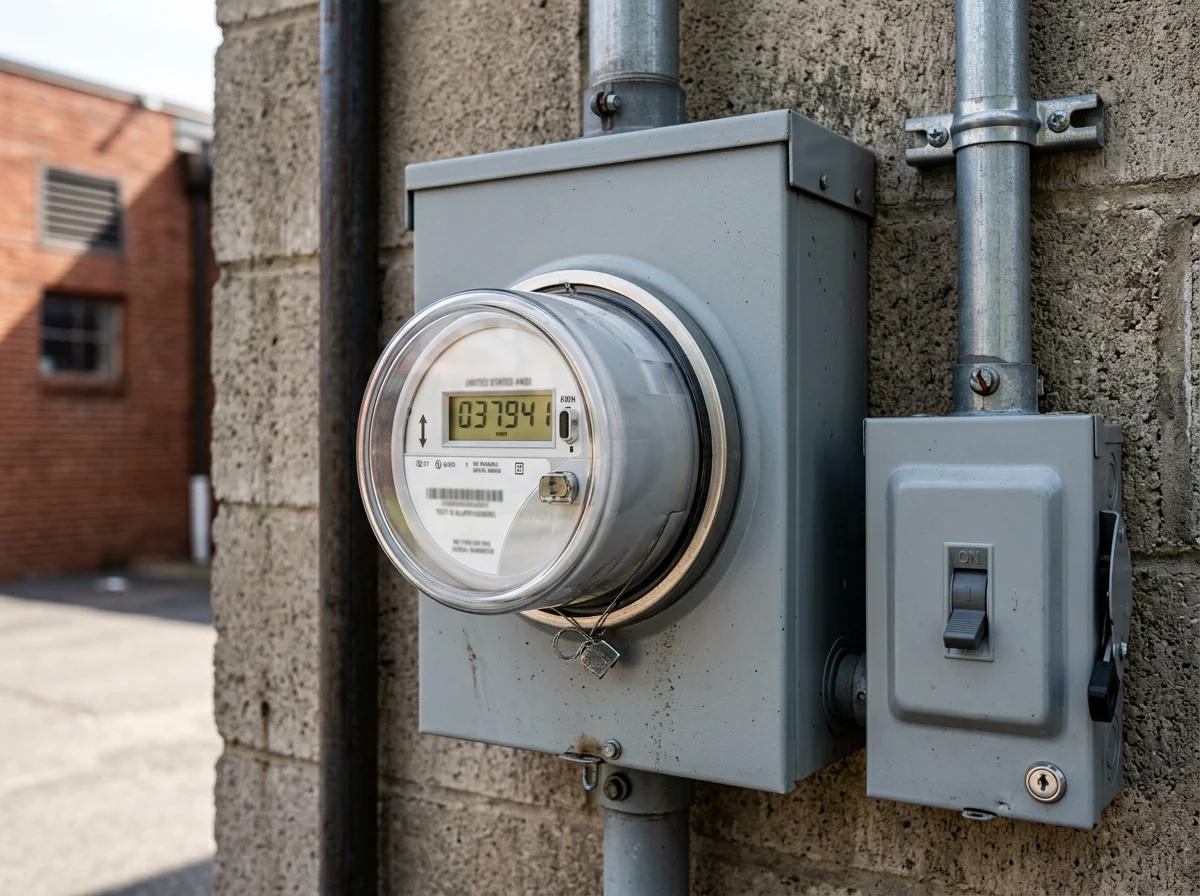
Electrical submetering replaces those assumptions with a measurement. The useful question for most owners is where it pays for itself first. This guide is for owners, property managers, and facility teams deciding where to meter first. It covers what submetering is, the five use cases where it pays off, and where to start.
Submeters are meters installed below the utility meter, on a tenant suite, a floor, a bank of equipment, or a single circuit. Each one reports its own consumption, so you can see what that part of the building actually uses.

Submetering reports two measurements, and they answer different questions. Kilowatts (kW) measure power, the rate of use, and peak kW is what demand charges are billed on. Kilowatt-hours (kWh) measure energy, the total used over time. A tenant chargeback runs on kWh. A demand problem runs on kW. Submetering gives you both, for every meter, over time.

This is the classic case. The landlord pays one utility bill and has to split it among tenants who use very different amounts. Allocating by square footage overcharges efficient tenants and subsidizes heavy ones, and sooner or later someone disputes it. Submetering measures each tenant's actual consumption, so allocation follows what each suite drew, not a floor-area formula. Where local rules allow direct submetered billing, it also turns energy from a fixed overhead line into a pass-through you can defend line by line.
Many utilities bill demand charges on the highest short interval of the month, often 15 minutes, so a single bad peak can set the charge for the whole period. You often learn about the peak only when the bill arrives, and the bill can't say what caused it. Submetering shows what caused it: which equipment, on which circuit, at what time. The same visibility exposes the loads that run overnight and on weekends because nobody could see them to question them. The EPA estimates that, on average, 30% of the energy used in commercial buildings is wasted, as cited by the U.S. Department of Energy. A single meter can't show where.
Before you add EV chargers, heat pumps, or electric boilers, you need to know how much capacity the electrical service has to spare. The drawings give you the design load. Submetered interval data shows what the building draws today, which is often a different number after years of added load. That measured baseline turns "we think we have capacity" into a load study your engineer can work from, and it is cheaper to measure the panel than to find the shortfall at commissioning.
If you run an efficiency project, a retrofit, or a performance contract, submetering is how you prove it worked. A measured baseline before and after is the difference between "it runs better now" and a number you can put in front of finance or an energy services company (ESCO). The same data checks the utility too: metering errors, rate misclassifications, and unexpected charges are easier to catch when you can reconcile the bill against your own interval measurements.
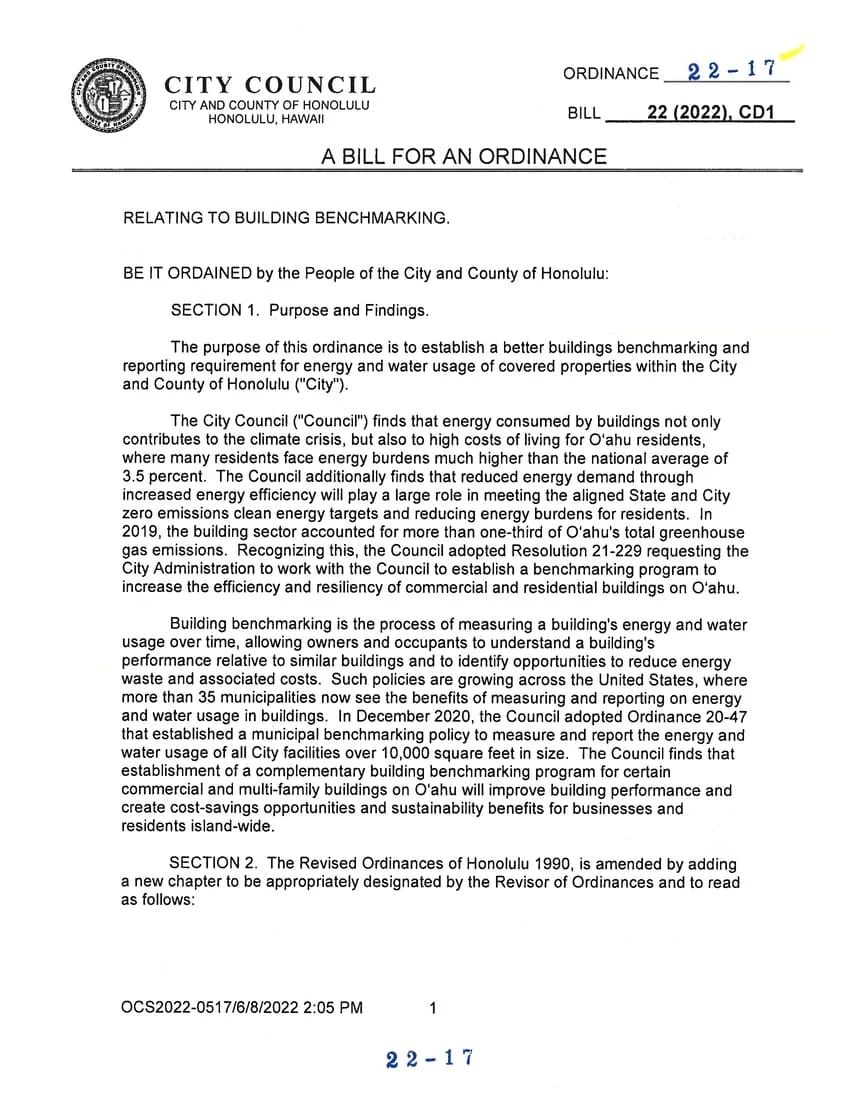
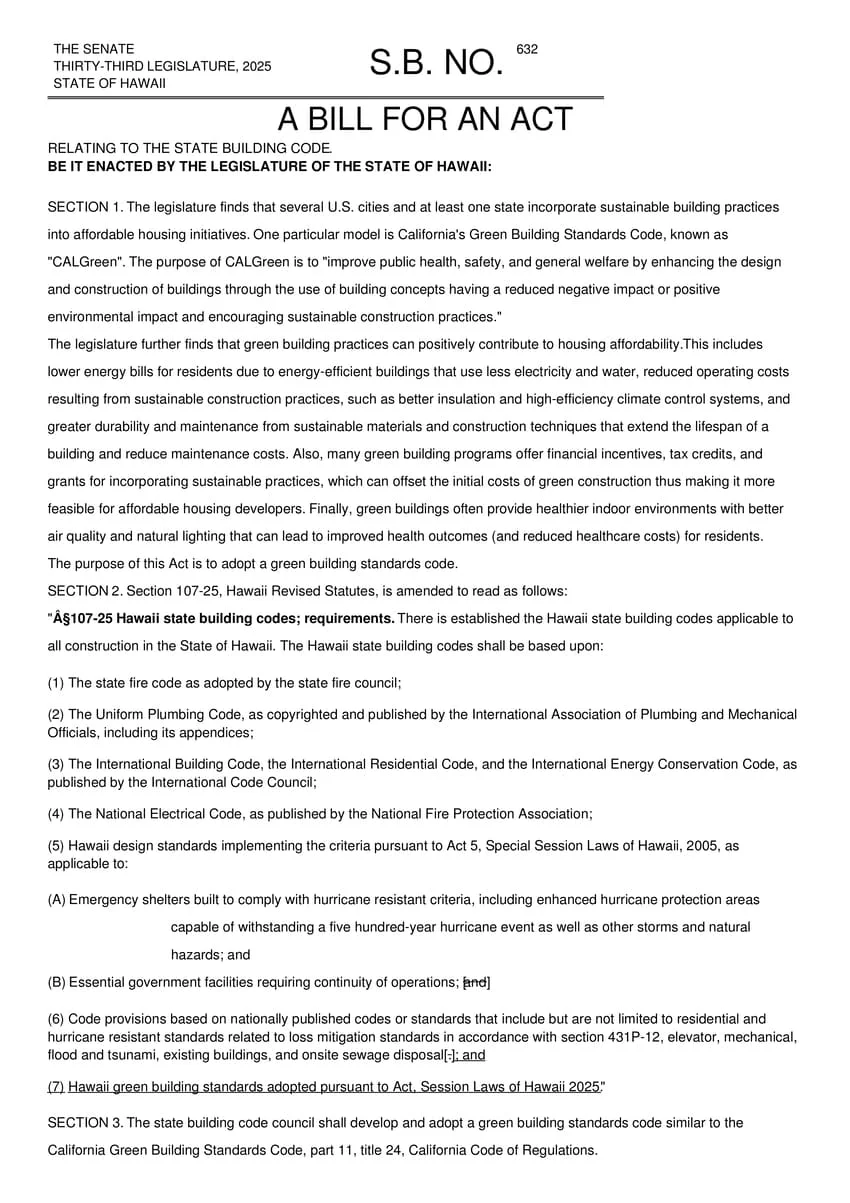
Building performance standards (BPS) and benchmarking rules ask owners to report energy use, and tenant-level and end-use detail are hard to produce from the utility bill alone. Submetering supplies that detail. It also lets you benchmark across a portfolio on consistent, measured data instead of stitching together monthly bills from a dozen accounts.
If submetering is this useful, why is a single utility meter still the norm? Cost and disruption.
Conventional submetering uses hardwired meters, which means conduit runs, an electrician, and, in an occupied building, often after-hours work in the panel. Each added meter is a small construction project. About three-quarters of US commercial buildings were built before 2000 (EIA CBECS, 2018), and retrofitting hardwired submeters across a property that old is slow and expensive enough that many owners meter only the main service. That is a big reason so much of the building goes unmeasured.
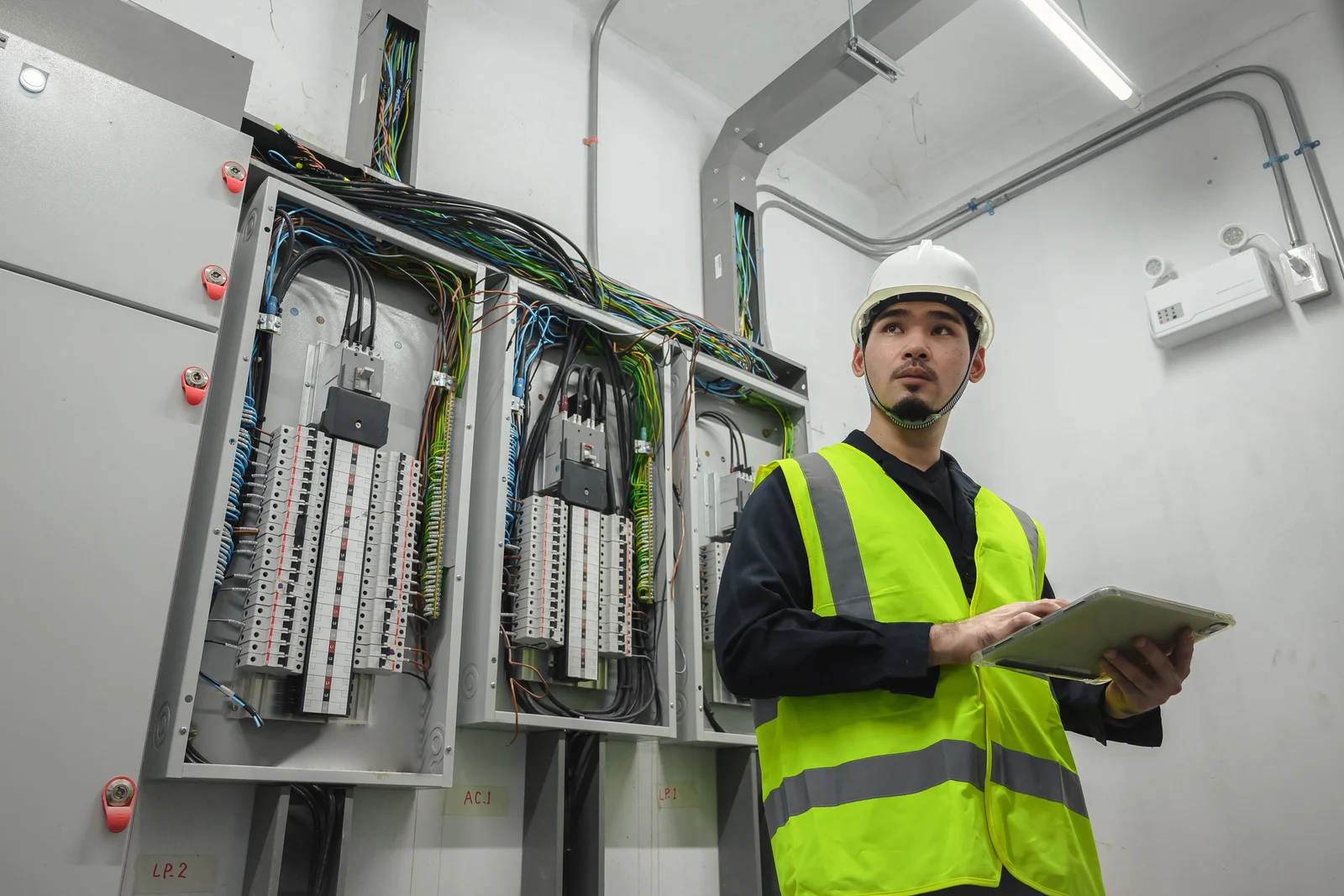
Installation is what has held submetering back. Wireless current transducers clamp onto conductors at the panel, equipment, or circuit level with no conduit runs, so adding a meter no longer takes a construction project. That makes it practical to meter the whole building, including properties that could never justify hardwired installs. That changes where it makes sense to start.
Start where the payoff is clearest and add meters as the data earns its place. A small single-tenant building with a flat, well-understood load has less to gain than a multi-tenant property or a facility about to electrify, so prioritize in this order:

Each of these turns recurring guesswork into real-time data you can monitor. If your building divides a utility bill by formula, is about to add load it has never carried, or owes savings and compliance numbers it can't produce, start there.
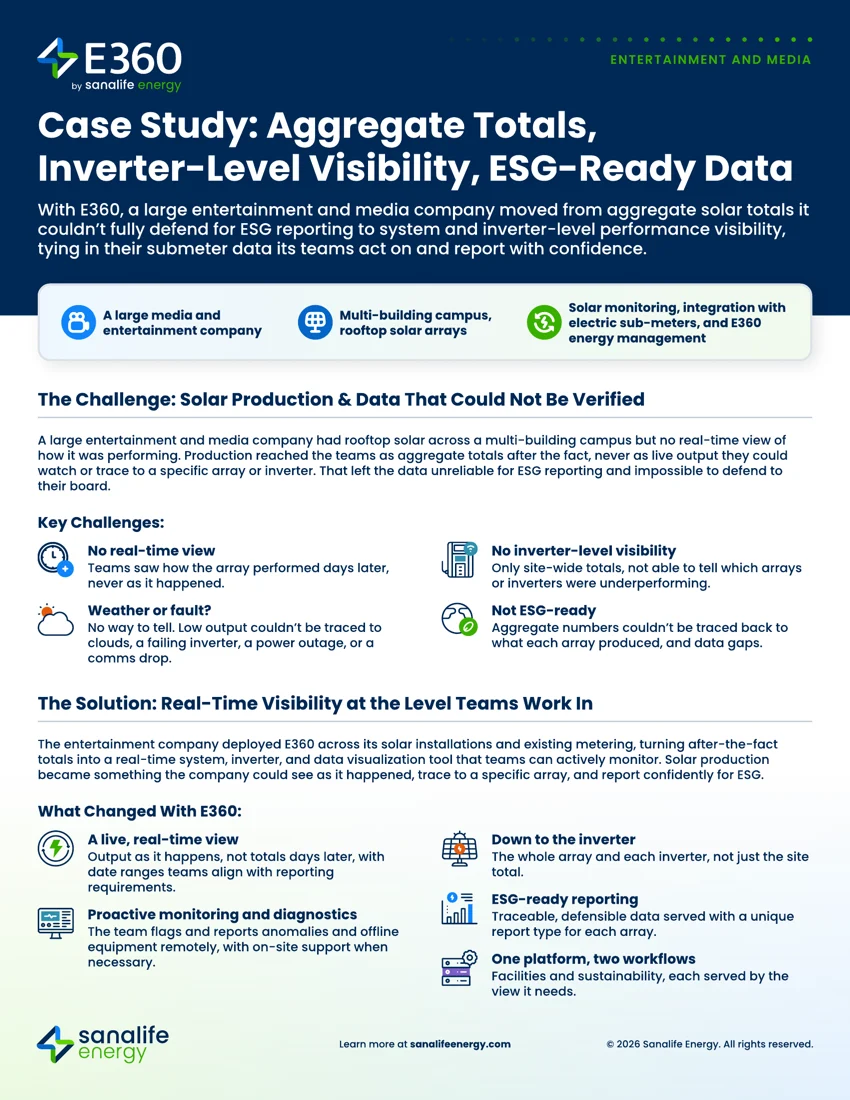
This is where E360 fits. It connects the meters you already have, where an integration is available, and adds wireless submeters where there are gaps, so your tenants, circuits, and equipment show up in one view. If your building still runs on a single meter, the first step is seeing what is below it.


We deliver innovative energy management, demand response, and building automation solutions to enterprise, manufacturing, industrial, healthcare, hospitality, K-12, and higher education sectors across the United States and globally.
©2026 InTech Energy, Inc. DBA Sanalife Energy. All rights reserved. Various trademarks held by their respective owners.