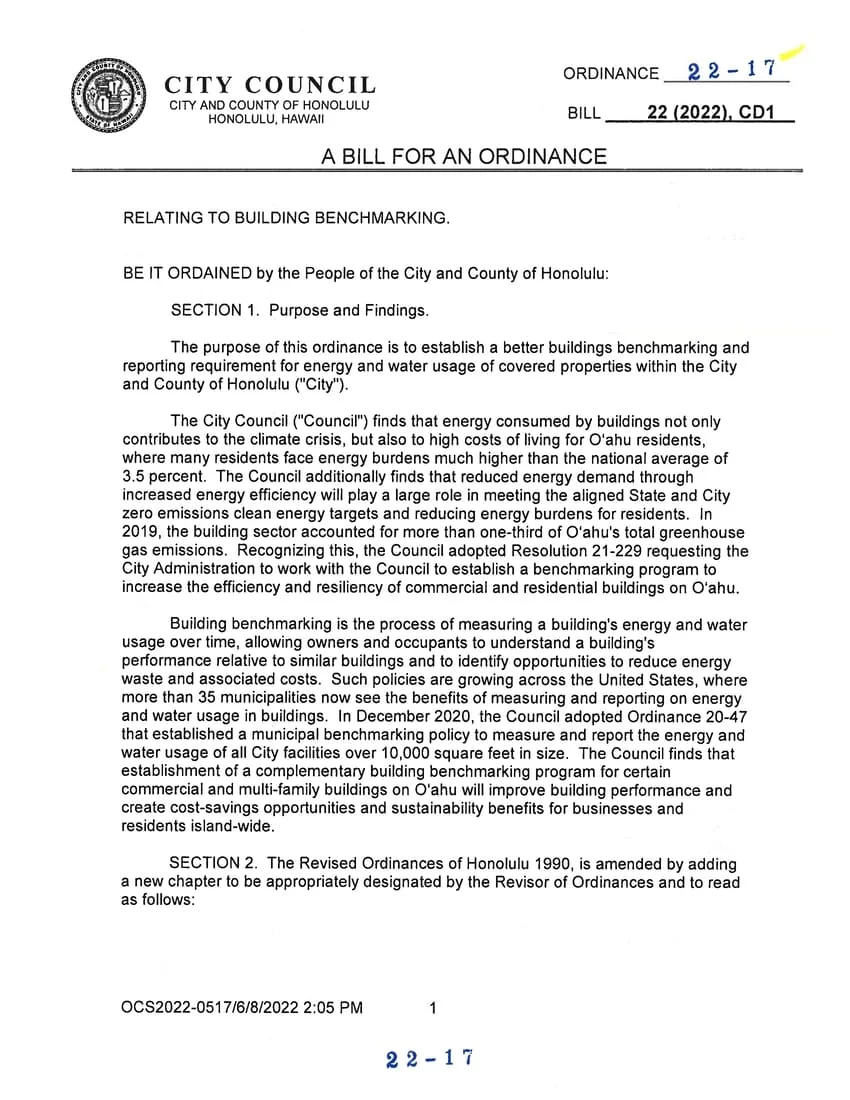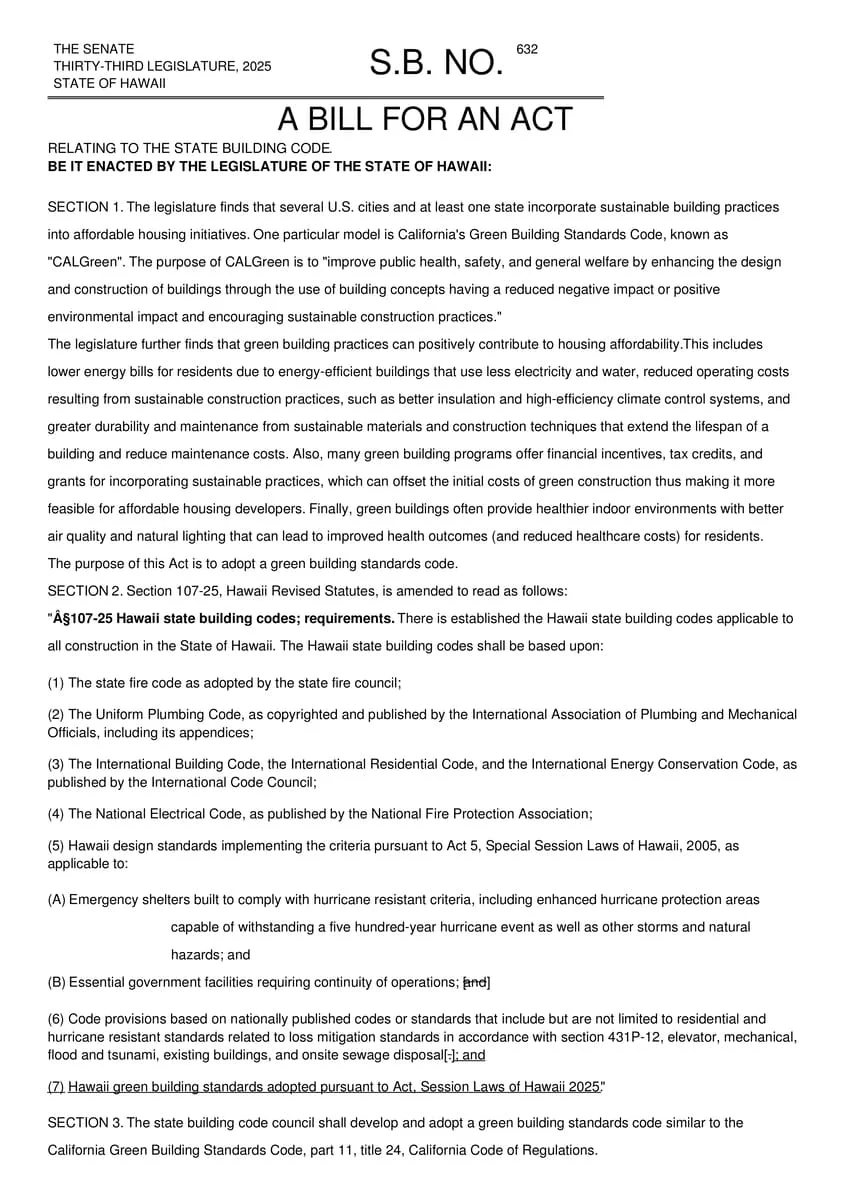



Berkeley's Building Emissions Saving Ordinance (BESO) sets energy efficiency and emissions requirements for commercial and multifamily buildings. This guide covers BESO's targets, deadlines, and how benchmarking and electrification keep buildings compliant.
Berkeley is one of the cities leading the charge on energy efficiency and carbon reduction through its Building Emissions Saving Ordinance (BESO). Designed to reduce greenhouse gas emissions from buildings, BESO requires commercial and multifamily property owners to assess and disclose their energy performance.
For businesses and property owners, understanding and complying with BESO is crucial to avoiding penalties while improving building efficiency and long-term cost savings. Compliance is not just about meeting legal requirements—it is an opportunity to make strategic improvements that enhance property value and reduce energy expenses.

BESO applies to commercial and multifamily buildings that meet specific size and usage criteria. The ordinance mandates that property owners conduct periodic energy assessments and disclose performance data.
While exemptions may apply in certain cases, most properties must undergo an Energy Assessment before a sale or at specific compliance intervals. Understanding whether your building falls under BESO’s requirements is essential to ensuring timely compliance.
Berkeley’s BESO requires building owners to meet energy performance and transparency targets to align with the city’s climate goals. Key compliance elements include:
Buildings must undergo periodic audits conducted by a registered energy assessor to identify inefficiencies and recommend improvements.
Owners must report energy performance data annually using ENERGY STAR® Portfolio Manager or other approved platforms.

Larger buildings must implement strategies to lower carbon emissions and overall energy consumption.
Properties may be required to replace fossil fuel-based systems with electric alternatives or integrate on-site solar energy solutions.
Some properties must improve water efficiency by upgrading plumbing fixtures and implementing conservation measures.
Berkeley’s BESO follows a phased approach, with deadlines varying based on building size and classification. Property owners must comply within designated timeframes or when triggering events occur, such as:
Most commercial and multifamily properties must complete an energy assessment before a transaction is finalized.
Buildings above a certain size threshold must submit energy performance data at regular intervals.
Long-term targets may include requirements for replacing gas-powered equipment with electric alternatives.

An Energy Assessment is the first step toward compliance. A qualified energy assessor evaluates a building’s performance, identifying areas where improvements can be made. This process helps property owners understand their current energy consumption and develop a strategy to meet BESO requirements.
Building owners can take actionable steps to improve efficiency, such as:
These improvements not only help meet compliance but also reduce long-term operational costs.
Once energy assessments are complete, owners must report their building’s energy performance annually. This data helps the city track progress toward its carbon reduction goals. Property owners should ensure reports are submitted accurately and on time to avoid penalties.
Berkeley’s long-term energy goals emphasize reducing fossil fuel dependency. To align with these goals, businesses should consider:
Electrification not only ensures compliance but also future-proofs properties against rising energy costs and stricter regulations.
Buildings can participate in demand response programs that help balance grid demand while reducing costs. Owners can also integrate energy management software to monitor and optimize building performance in real time.
Berkeley offers financial assistance to help property owners comply with BESO requirements, including:
Utility companies and state programs provide rebates for HVAC upgrades, insulation improvements, and lighting retrofits.
Funding is available for installing renewable energy systems and transitioning to electric appliances.
The Property Assessed Clean Energy (PACE) program allows property owners to finance efficiency upgrades through property tax assessments.
Building owners should explore these incentives to reduce upfront costs and maximize long-term savings.

Meeting BESO requirements is more than just a legal obligation it provides real financial and operational benefits for businesses:
Energy-efficient buildings consume less electricity, reducing monthly costs.
Buildings with high energy performance ratings attract more tenants and buyers.
Non-compliant buildings may face fines, delayed sales, or additional reporting burdens.
Businesses that meet BESO standards demonstrate environmental responsibility, enhancing their brand reputation.
With compliance deadlines approaching, building owners should take immediate action to assess their energy performance and implement required upgrades.
The best first steps include:
Staying ahead of the regulations ensures compliance while unlocking energy savings, improving building performance, and reducing long-term costs.


We deliver innovative energy management, demand response, and building automation solutions to enterprise, manufacturing, industrial, healthcare, hospitality, K-12, and higher education sectors across the United States and globally.
©2026 InTech Energy, Inc. DBA Sanalife. All rights reserved. Various trademarks held by their respective owners.